
Do Chiropractors Help Balance Problems in Adults?
Family Healing Chiropractic
2026-10-08
A balance problem can make ordinary moments feel uncertain. You may hesitate on stairs, reach for the counter when standing up, or feel unsteady when turning your head in the grocery store. So, do chiropractors help balance problems? In many cases, chiropractic care may help address spinal, posture, mobility, and nerve-system factors that contribute to feeling off balance. But balance symptoms also deserve careful attention because their cause is not always in the spine.At Family Healing Chiropractic, we believe the body was designed by God with an incredible ability to adapt, heal, and function well. When communication between the brain and body is disrupted by stress, poor alignment, injury, or nerve interference, the results can show up in ways that are not always obvious. For some people, that includes changes in posture, coordination, movement confidence, and balance.
Why Balance Is More Than an Ear Problem
Many people immediately connect balance trouble with the inner ear, and the inner ear does play an essential role. It sends your brain information about head position and movement. Yet balance is a team effort. Your eyes, feet, joints, muscles, brain, spinal cord, and nerves constantly share information so you can stay upright and move safely.Your spine matters because it helps protect the spinal cord and serves as a major pathway for the nervous system. When joints are restricted, posture is altered, or muscles are compensating for a long-standing problem, the body may receive less clear information about position and movement. A person may feel stiff, tilted to one side, less secure while walking, or uncertain when looking up or turning quickly.This does not mean every episode of dizziness is caused by a chiropractic issue. It means a thorough evaluation should look beyond the symptom itself. A balance concern may involve the ears, vision, medications, blood pressure, neurological conditions, dehydration, foot problems, a recent injury, or spinal and postural dysfunction. The right next step depends on the pattern of symptoms and the person in front of us.Do Chiropractors Help Balance Problems Caused by Posture?
They can be an important part of the answer when posture, movement restriction, neck discomfort, or nervous-system stress are contributing factors. Chiropractic care is not about simply chasing a sensation of relief. It is about identifying areas where the body is not moving, communicating, or adapting as it should.Consider the person who spends eight hours a day looking down at a laptop, then drives home with rounded shoulders and a forward head posture. Over time, the neck and upper back may become tight and restricted. The muscles that should stabilize the head can become overworked, and the body may start relying on compensations. When that person turns their head quickly, gets up from the couch, or walks on uneven ground, they may notice that they do not feel as steady as they once did.A chiropractic assessment can help identify whether spinal alignment, joint motion, muscle tension, range of motion, or posture patterns may be part of the picture. Gentle, specific adjustments may improve joint mobility and help restore healthier movement patterns. When appropriate, care may also include guidance on posture, daily habits, home movement, hydration, and ergonomics.For older adults, better mobility can be especially meaningful. Stiffness and reduced confidence often lead people to move less. Moving less can weaken muscles and further reduce stability. The goal is not to promise that an adjustment will fix every balance concern. The goal is to help the body move and function more effectively while recognizing when another provider needs to be involved.What a Chiropractic Balance Evaluation May Include
A meaningful evaluation should not be rushed. Balance concerns need context. When did the problem begin? Did it follow a fall, car accident, illness, medication change, or long season of stress? Does the person feel lightheaded, as if the room is spinning, or simply unsteady on their feet? Those experiences can point to very different underlying issues.At a chiropractic office focused on root-cause care, an examination may include posture and range-of-motion analysis, spinal palpation, orthopedic or neurological screening, and an assessment of how the body is compensating. Computerized nerve scans and X-ray-based alignment reviews may be recommended when clinically appropriate to better understand spinal structure and nerve-system function.The findings help determine whether chiropractic care is a reasonable part of the plan. If the examination suggests a concern outside the chiropractic scope of care, a responsible chiropractor should recommend medical evaluation or coordinate with the appropriate provider. Good care is not about forcing every problem into one solution. It is about helping patients get the right help at the right time.When Balance Problems Need Medical Care First
Do not assume sudden or severe balance symptoms are just a neck issue. Seek emergency medical help right away if balance loss occurs with facial drooping, weakness or numbness on one side of the body, confusion, trouble speaking, severe headache, fainting, chest pain, new vision loss, or difficulty walking. These can be signs of a serious medical emergency, including stroke.You should also contact a medical professional promptly if dizziness or unsteadiness follows a head injury, comes with repeated vomiting, is accompanied by hearing loss, or continues to worsen. People with diabetes, heart conditions, known neurological disorders, or significant medication changes should be especially careful not to self-diagnose.Chiropractic care can complement a broader health plan, but it should never delay urgent evaluation. Your safety comes first.Who May Benefit From Chiropractic Support?
People often seek chiropractic care for balance-related concerns when their symptoms appear connected to neck stiffness, poor posture, chronic back discomfort, reduced mobility, or a history of physical stress. This may include busy parents who are constantly lifting children, professionals who spend long days at a desk, athletes recovering from strain, and seniors who want to stay active and independent.Children can also develop posture and movement patterns that deserve attention, although any child with new dizziness, repeated falls, headaches, or unusual coordination changes should be evaluated promptly by their pediatrician. Family wellness care means paying attention early rather than waiting until a small functional change becomes a bigger limitation.Results vary because people are different. A recent strain may respond differently than years of postural compensation. Someone whose balance trouble is tied to an inner-ear condition may need a different kind of care than someone whose primary issue is limited neck movement and poor body awareness. The best plan is personalized, not one-size-fits-all.Supporting Your Balance Between Visits
Your daily habits matter as much as what happens in the office. A body that is dehydrated, exhausted, inactive, and under constant stress has a harder time adapting. Start with steady basics: drink enough water, eat regular nourishing meals, prioritize sleep, and avoid rushing from sitting to standing when you feel lightheaded.Movement also builds confidence. Walking, gentle strength work, and exercises recommended for your specific needs can help maintain leg strength and coordination. Clear tripping hazards from your home, wear supportive shoes, and use proper lighting on stairs and hallways. If you feel unsteady, do not push through it alone. Ask for help and get checked.A healthy nervous system is not built in a single visit. It is supported through consistent care, wise movement, and a willingness to address problems before they become the new normal. If your balance has changed and you suspect posture, spinal stress, or restricted movement may be involved, a thorough chiropractic evaluation can help you understand your next step. Your body is worth listening to, and getting answers early can help you move forward with greater confidence.
Pregnancy Chiropractic Benefits Guide for Moms
Family Healing Chiropractic
2026-09-10
Pregnancy changes far more than a growing belly. As a baby develops, a mother’s center of gravity shifts, ligaments loosen, posture adapts, and everyday activities such as sleeping, standing, and getting in and out of the car can suddenly feel difficult. This pregnancy chiropractic benefits guide is for moms who want to understand whether chiropractic care may be a wise part of a healthy, supported prenatal plan.At Family Healing Chiropractic, we believe the body was designed by God with an incredible ability to adapt, heal, and function. That does not mean pregnancy should be ignored or pushed through when discomfort appears. It means mothers deserve thoughtful care that looks at function, alignment, movement, and nervous system health rather than simply telling them to live with pain.
Why Pregnancy Can Create New Discomfort
Pregnancy is not an injury, but it places real physical demands on the body. As weight shifts forward, many women compensate by leaning back through the low back, rounding their shoulders, or changing the way they walk. Those changes can place added stress on the spine, pelvis, hips, muscles, and supporting joints.Hormonal changes also matter. Relaxin is a hormone that helps prepare the body for childbirth by increasing ligament flexibility. While that flexibility serves an important purpose, it can also contribute to a feeling of instability or strain around the pelvis and low back. A previous injury, poor posture at work, long commutes, or existing spinal misalignment may make these changes more noticeable.Some discomfort is common in pregnancy, but common does not always mean something a mother has to quietly accept. A chiropractic assessment can help identify movement restrictions, postural changes, and areas of tension that may be affecting daily comfort.Pregnancy Chiropractic Benefits Guide: What Care May Support
Prenatal chiropractic care is not a replacement for obstetric care, prenatal visits, or medical treatment when it is needed. It can, however, be a supportive part of a coordinated wellness plan for women whose providers have cleared them for chiropractic care.Many expectant mothers seek chiropractic care for low-back discomfort, hip pain, pelvic discomfort, neck tension, headaches, and the general physical strain that comes with carrying a baby. Gentle, pregnancy-specific adjustments may help improve spinal and joint mobility, reduce muscular tension, and support more balanced movement.Better comfort during everyday movement
When the pelvis, hips, and spine are not moving well, ordinary tasks can become exhausting. Moms may notice discomfort while rolling over in bed, sitting at a desk, walking through the grocery store, or picking up an older child. Restoring healthier motion where restrictions are present may help make those daily demands more manageable.This is especially meaningful for busy Charlotte families. Pregnancy often happens in the middle of work schedules, school drop-offs, church commitments, and caring for other children. A care plan should recognize real life, not add unnecessary complexity to it.Posture and balance support
A growing abdomen naturally changes a mother’s posture. Some women develop a more pronounced curve in the lower back, while others experience upper-back and neck tension from compensating throughout the day. Chiropractic care can include posture and range-of-motion evaluations that reveal where the body may be under added strain.The goal is not to force a pregnant body into a perfect posture. It is to help the body move and adapt as well as possible through each stage of pregnancy. Individual recommendations may also include practical changes to sitting positions, sleep support, lifting habits, and simple movement routines.Pelvic function and mobility
The pelvis plays a central role throughout pregnancy and birth. Restricted motion or uneven tension around the pelvis can contribute to discomfort and may affect how comfortably a mother moves. Chiropractors who work with pregnant patients use techniques and positioning designed to accommodate pregnancy safely and comfortably.Some practices use specialized tables, pillows, or side-lying positions to avoid pressure on the abdomen. At Family Healing Chiropractic, an exam should guide care. Spinal assessment, palpation, posture analysis, range-of-motion testing, and when appropriate, nerve-system-focused evaluations help build a clearer picture of what is happening rather than guessing based on symptoms alone.A natural, drug-free comfort option
Many mothers are understandably cautious about what they take during pregnancy. Chiropractic care is a hands-on, non-drug approach that may help address musculoskeletal discomfort without relying solely on medication. That does not mean medications are never appropriate. It means mothers should have thoughtful options and the information needed to make decisions with their prenatal provider.For women who value a natural-health approach, chiropractic care can fit well alongside good nutrition, appropriate prenatal exercise, adequate rest, hydration, and regular medical prenatal care.Is Chiropractic Care Safe During Pregnancy?
For many women with uncomplicated pregnancies, chiropractic care from a properly trained chiropractor can be appropriate when coordinated with their medical team. Pregnancy care should always be individualized. A chiropractor should ask about your health history, stage of pregnancy, current symptoms, prior pregnancies, and any concerns raised by your OB-GYN or midwife.There are situations where chiropractic care may need to be delayed, modified, or avoided. These can include vaginal bleeding, severe abdominal pain, ruptured membranes, certain high-risk pregnancy conditions, signs of preterm labor, severe swelling, sudden vision changes, or a serious new headache. Those symptoms require prompt guidance from an obstetric provider or emergency care, not a chiropractic adjustment.Mothers should also speak with their OB-GYN or midwife before beginning care, especially if they have a high-risk pregnancy, placenta-related concerns, preeclampsia, a history of preterm labor, or other complications. Wise care does not ignore medical guidance. It works alongside it.What to Expect at a Prenatal Chiropractic Visit
A quality first visit should begin with listening. Your chiropractor needs to understand what you are feeling, what activities make symptoms worse, how far along you are, and what your pregnancy care provider has shared with you.The examination may include posture review, movement testing, gentle palpation, and an assessment of spinal and pelvic function. Computerized nerve scans or other nervous system evaluations may be used when appropriate to identify patterns of stress or interference. X-rays are generally not routine during pregnancy, so any imaging decisions should be made carefully and only when clinically necessary.If care is recommended, adjustments are adapted for pregnancy. Many moms are surprised by how gentle the process can be. The approach should never feel rushed, overly aggressive, or disconnected from your comfort level. Ask questions. A trustworthy provider will explain what they are checking, why they recommend a specific approach, and how your progress will be measured.Choosing the Right Chiropractor for Pregnancy Care
Not every chiropractic office approaches prenatal care in the same way. Look for a provider who regularly works with pregnant patients, uses pregnancy-appropriate positioning, communicates clearly with other members of your healthcare team, and takes time to perform a real assessment.Be cautious of anyone who guarantees an easy labor, promises to turn a baby, or suggests chiropractic care can replace prenatal medical care. Chiropractic may support comfort, mobility, and overall function, but pregnancy and birth outcomes depend on many factors. Honest care makes room for that reality.For families seeking care in Charlotte, choose an office that sees the mother as more than a painful low back. The best plan considers her nervous system, movement patterns, daily demands, pregnancy history, and long-term wellness goals. That family-centered perspective can continue after delivery, when feeding, carrying, lifting, and sleepless nights introduce a whole new set of physical challenges.When to Get Checked
You do not have to wait until discomfort becomes severe. A prenatal assessment may be worth considering if you have recurring low-back or hip pain, trouble sleeping because of position-related discomfort, pain when walking or climbing stairs, frequent neck tension, or a history of spinal issues that is becoming harder to manage during pregnancy.Early evaluation can provide a baseline and help you understand what your body needs as pregnancy progresses. The goal is not simply to chase symptoms from week to week. It is to support a mother’s ability to move, rest, work, and prepare for birth with greater confidence.Pregnancy asks a great deal of a woman’s body. Give yourself permission to seek support, ask wise questions, and choose care that respects both your comfort and the remarkable design of the body carrying your baby.
Natural Headache Relief with Chiropractic Care
Family Healing Chiropractic
2026-09-02
A headache can change the entire tone of a day. You may wake up with pressure behind your eyes, lose focus at work by midafternoon, or miss precious family time because your head is throbbing again. A natural headache relief chiropractor looks beyond the momentary pain to ask a better question: what is putting stress on your body in the first place?For many Charlotte families, recurring headaches have become so common that they feel normal. They reach for pain relievers, caffeine, or a dark room and hope tomorrow will be better. Those choices may offer temporary comfort, but recurring headaches deserve a deeper look. Your body was designed by God to communicate when something is not functioning well. A headache may be one of those signals.
Why Headaches May Start in the Neck
Not every headache has the same cause. Dehydration, skipped meals, illness, hormonal changes, eye strain, stress, certain medications, and more serious medical conditions can all play a role. That is why a careful health history matters. But many people are surprised to learn how often tension, posture, and spinal function can contribute to head pain.Your head is supported by the cervical spine, or neck. When the joints, muscles, and nerves in that region are under strain, the body can compensate in ways that create tension through the shoulders, upper back, jaw, and scalp. Long hours at a computer, looking down at a phone, driving, old injuries, and poor sleeping positions can all add to that stress.A forward head posture is especially common. When the head sits forward instead of being balanced over the shoulders, neck muscles have to work harder all day. That ongoing demand can contribute to tightness and headaches that seem to return without warning.Some headaches may be classified as cervicogenic headaches, meaning the pain is connected to structures in the neck. Others resemble tension headaches, with a band-like pressure around the head. Migraine patterns are more complex and may include nausea, sensitivity to light or sound, or visual changes. Chiropractic care is not a one-size-fits-all answer, but evaluating spinal and nerve-system function can be a valuable part of understanding the full picture.What a Natural Headache Relief Chiropractor Evaluates
At Family Healing Chiropractic, the goal is not simply to chase symptoms. The goal is to identify areas of dysfunction and nerve interference that may be keeping the body from functioning as it should.A chiropractic assessment may include a conversation about when your headaches occur, where you feel them, how long they last, and what seems to trigger or ease them. Your chiropractor may also evaluate posture, range of motion, spinal alignment, muscle tension, and areas of tenderness through palpation. When appropriate, computerized nerve scans and X-ray-based alignment reviews can provide more information about how the spine and nervous system are functioning.This approach matters because a headache is often not just a head problem. If your neck does not move well, your shoulders are constantly elevated, or your posture is placing added stress on the spine, the body may be working harder than it needs to. Finding those patterns gives you a clearer path forward.A thorough evaluation also helps determine whether chiropractic care is appropriate. Some headache symptoms require prompt medical attention or co-management with another healthcare provider. Sudden, severe head pain unlike anything you have experienced, headache after a significant injury, new neurological symptoms, fainting, fever with neck stiffness, confusion, weakness, trouble speaking, or vision loss should never be ignored. Seek urgent medical care when those signs are present.Chiropractic Care Is About Function, Not a Quick Fix
A chiropractic adjustment is designed to help restore motion and improve spinal function where restrictions are found. For patients whose headaches are connected to neck dysfunction or muscle tension, improving how the spine moves may help reduce physical stress on the system. Care plans vary because every person’s history, posture, lifestyle, and examination findings are different.Some patients notice changes quickly. Others have dealt with years of accumulated stress, old injuries, and poor movement patterns that require consistent care and lifestyle changes. This is where expectations matter. Natural care is not about promising an overnight cure. It is about giving the body the support it needs to function more effectively over time.Your care may include adjustments along with recommendations for posture, movement, stretching, hydration, sleep habits, and ergonomics. If you spend eight hours a day at a desk, one adjustment cannot erase eight hours of slouching. Real improvement often comes when in-office care and daily habits begin working together.Everyday Habits That Can Support Headache Relief
The simplest habits are often the ones people overlook. Start with your workstation. Your screen should be close to eye level, your shoulders should not be creeping toward your ears, and your chair should support you rather than encourage you to collapse forward. Small corrections repeated every day can make a meaningful difference.Pay attention to phone use as well. Holding a phone low in your lap places your neck in a bent position for far too long. Bring the device closer to eye level, take regular breaks, and gently move your neck and shoulders throughout the day instead of staying locked in one posture.Hydration and regular meals matter, especially for people who notice headaches after a busy morning. Lack of sleep can also make the nervous system more sensitive to stress and pain. A consistent bedtime, a supportive pillow, and a sleep position that does not twist the neck can be practical places to begin.Stress deserves honest attention too. Stress does not mean your symptoms are imagined. It means your body may be carrying tension that has a physical effect. Prayer, walking, deep breathing, time outdoors, movement, and healthy boundaries can all help calm a system that has been running on overload.When Families Should Get Checked
Headaches in adults are common, but children can also experience them. A child who frequently complains of head pain, avoids school, struggles with concentration, seems unusually tired, or has had a fall or sports injury deserves a careful evaluation. Parents should also speak with their child’s pediatrician, especially when headaches are new, frequent, worsening, or accompanied by concerning symptoms.For adults, recurring headaches that interfere with work, sleep, exercise, or family life are not something to simply accept. You do not have to wait until pain becomes unbearable to get checked. Early evaluation can help uncover posture problems, restricted movement, and spinal stress before those patterns become more deeply established.Chiropractic wellness care can also be a proactive choice for families who want to support better movement, posture, and nerve-system function over the long term. The body is not meant to merely survive from one pain episode to the next. It is meant to heal, adapt, and serve you well.If headaches have become a regular part of your routine, listen to what your body may be telling you. A thoughtful chiropractic evaluation can help you move from repeatedly managing symptoms toward understanding the stressors behind them - and toward caring for the health of your whole family with greater purpose.
7 Natural Ways to Improve Mobility Every Day
Family Healing Chiropractic
2026-08-27
A stiff neck when backing out of the driveway, sore hips after sitting through work, or knees that complain on the stairs are not simply things families have to accept. Natural ways to improve mobility begin by paying attention to what your body is telling you and supporting the way God designed it to move, heal, and function.Mobility is more than flexibility. It is the ability to move your joints through a healthy range of motion with control, strength, and confidence. When mobility declines, everyday life gets smaller. You may avoid playing on the floor with your children, taking a walk through the neighborhood, exercising, or even getting a full night's sleep because certain positions hurt.The good news is that small, consistent choices can make a meaningful difference. The goal is not to force your body through pain or chase a temporary fix. It is to identify what is limiting movement and build habits that support lasting function.
1. Move More Often, Not Just Harder
Many mobility problems are fed by long stretches of stillness. A demanding job, a commute around Charlotte, school drop-offs, and evenings on the couch can leave the body parked in the same positions for hours. Muscles tighten, joints lose motion, and posture begins to collapse.You do not need an intense workout every time you feel stiff. Start by interrupting prolonged sitting. Stand up at least once each hour, walk for a few minutes, gently roll your shoulders, and change positions. A short walk after meals can be especially helpful for circulation, digestion, and keeping the hips and low back from locking up.Consistency matters more than a perfect routine. Ten minutes of walking each day is a stronger starting point than a demanding plan you abandon after one week. If walking increases sharp pain, causes numbness, or leaves you feeling worse for more than a day, it is time to get checked rather than pushing through.2. Build Strength Around the Joints
Flexibility alone does not create stable mobility. Your joints need the support of strong muscles to move well. Weak glutes can place extra demand on the low back and knees. Poor upper-back strength can contribute to rounded shoulders and neck tension. A weak core can make ordinary lifting, bending, and carrying feel harder than it should.Simple bodyweight movements can help when they are appropriate for your condition. Sit-to-stands from a sturdy chair, gentle wall push-ups, step-ups, bridges, and controlled heel raises are practical options for many adults. Begin with a range of motion that feels manageable. Quality movement is more valuable than forcing a deep squat or lifting heavier weight too soon.For children, strength often comes naturally through climbing, running, playground time, and active play. Families do not need to turn every child into an athlete. They do need to protect time for movement instead of allowing screens to replace it entirely.3. Restore Motion With Gentle Mobility Work
Targeted mobility exercises can help areas that commonly become restricted, including the ankles, hips, upper back, shoulders, and neck. The key word is gentle. Mobility work should feel like a controlled stretch or effort, not a battle with your body.Try a few slow movements in the morning or after a long day: ankle circles before standing, seated hip rotations, cat-cow motions for the spine, shoulder blade squeezes, or an easy chest-opening stretch in a doorway. Breathe steadily while you move. Holding your breath often causes the body to guard and tighten.It depends on the person and the problem. Someone recovering from a recent injury, dealing with disc symptoms, or experiencing nerve-related pain may need a more specific plan. Generic stretches found online are not a substitute for an evaluation when pain is recurring, severe, or spreading.4. Address Posture Before It Becomes a Pattern
Posture is not about sitting rigidly all day or trying to look perfect. It is about how your body is positioned and how well it can adapt to the demands placed on it. When the head consistently shifts forward, the shoulders round, or the pelvis tilts, certain muscles work overtime while others become underused.Look at the spaces where you spend the most time. Raise your computer screen so you are not constantly looking down. Support your feet when seated. Keep frequently used items within easy reach. When holding a phone, bring it closer to eye level instead of bending your neck toward it for long periods.Your sleeping position matters, too. A pillow that pushes the neck sharply forward or lets it drop too far back can contribute to morning stiffness. Side sleepers generally need enough support to keep the head and neck aligned with the rest of the spine. The best setup is the one that allows you to wake with less tension, not the one that follows a trend.5. Support Healing With Food, Water, and Sleep
The body needs raw materials and recovery time to repair and function well. Mobility is affected by more than what happens in a workout or at a desk. Poor sleep can increase pain sensitivity and leave muscles feeling tight. Dehydration can contribute to fatigue and make physical activity feel more difficult. Highly processed foods may leave some people feeling more inflamed and less energized.Focus on the basics: drink water regularly, eat protein and colorful produce throughout the day, and choose meals that help you feel steadily fueled rather than drained. There is no single food that fixes joint pain, and supplements should not be treated as a replacement for movement, sleep, or professional care. However, a nutrient-dense diet gives your body a better foundation for healing.Sleep is often the missing piece for busy parents and professionals. Protecting a consistent bedtime, reducing late-night screen use, and creating a quieter sleep environment are simple steps that can support recovery. Rest is not laziness. It is part of how the body restores itself.6. Pay Attention to Nerve System Signals
Pain is one signal, but it is not the only one. Tingling, numbness, burning, weakness, recurring headaches, reduced grip strength, or pain that travels into an arm or leg can point to nerve involvement. These symptoms deserve more than repeated medication or a quick stretch that only covers them up.The spine protects the nervous system, which helps coordinate communication between the brain and body. When spinal joints are not moving or aligned as they should, the surrounding tissues can become irritated and normal function may be affected. That is why a thorough assessment of posture, movement, spinal alignment, and nerve-system function can be valuable when mobility has become limited.At Family Healing Chiropractic, the focus is on looking for the underlying cause of dysfunction, not merely chasing the symptom of the day. A chiropractic examination may include posture and range-of-motion analysis, palpation, computerized nerve scans, and X-ray-based alignment review when appropriate. The right recommendation depends on your history, symptoms, and exam findings.7. Get Checked Early and Stay Consistent
Waiting until you can barely turn your head or get up from a chair often makes the road back harder. Early attention can help identify movement restrictions and poor patterns before they become a larger disruption to work, family time, and the activities you love.Chiropractic care is not a substitute for emergency medical care. Seek prompt medical attention for sudden severe pain after trauma, loss of bowel or bladder control, unexplained weakness, chest pain, fever with back pain, or other alarming symptoms. For ongoing stiffness, posture concerns, recurring pain, and reduced range of motion, a chiropractic evaluation can help determine whether spinal dysfunction or nerve interference may be part of the picture.Mobility improves through faithful, repeated care for the body God gave you. Take the next walk, make the workstation adjustment, choose the earlier bedtime, and do not ignore a problem that keeps returning. Small steps taken consistently can help you move with greater freedom and stay present for the people who need you.
Best Sleeping Positions for Alignment and Comfort
Family Healing Chiropractic
2026-08-27
A full night in bed should help your body recover, not leave you reaching for your neck, low back, or hips before your feet touch the floor. The best sleeping positions for alignment are not about finding one perfect pose for every person. They are about keeping your spine, pelvis, and neck supported in a more neutral position so your muscles do not have to work all night to hold you together.For many Charlotte families, morning stiffness becomes so familiar that it feels normal. It is common, but it is not something to ignore. Your sleep position, pillow height, mattress support, daily posture, and underlying spinal alignment can all influence how you feel when you wake up.
What Good Sleep Alignment Actually Means
Your spine has natural curves. A supportive sleep position helps preserve those curves rather than forcing your neck to bend sharply, your shoulders to roll forward, or your low back to twist. Think of alignment as keeping your ears, shoulders, ribs, hips, and knees working together instead of pulling against one another for seven or eight hours.A position that is comfortable for five minutes may not be supportive through the night. That is why some people fall asleep feeling fine but wake with headaches, numb hands, tight shoulders, or a low back that needs time to loosen up. Those signals do not always come from sleep posture alone, but they are worth paying attention to.Your best position also depends on your body. Pregnancy, shoulder pain, hip discomfort, sleep apnea, reflux, injuries, and the shape and firmness of your mattress all matter. The goal is not perfection. The goal is less strain and better support.Side Sleeping: Often the Best Choice for Spinal Alignment
For many adults, side sleeping is one of the best sleeping positions for alignment because it can keep the spine relatively straight from the neck through the pelvis. The key is setting it up well. Simply lying on your side with your top knee dropping forward can rotate the pelvis and tug on the low back.Choose a pillow that fills the space between your ear and the mattress without pushing your head upward or letting it fall downward. Your neck should look like a continuation of the rest of your spine, not like it is being bent toward your shoulder.Place a firm pillow between your knees, especially if you wake with hip or low-back discomfort. This keeps the top leg from falling forward and helps reduce twisting through the pelvis. Some people also benefit from hugging a pillow in front of the chest, which gives the top shoulder support and can prevent it from rounding forward.If you have shoulder pain, avoid sleeping directly on the painful side whenever possible. Try the opposite side with a pillow held in front of you, allowing the sore arm to rest on top of it. A mattress that is too firm can also create pressure on the shoulder and hip, while one that is too soft may let your spine sag.A Note for Pregnant Mothers
Side sleeping is commonly recommended later in pregnancy, and many mothers find the left side especially comfortable. A pillow between the knees and another under the growing belly can reduce strain. If you wake up on your back, do not panic. Simply reposition yourself comfortably and speak with your prenatal provider about concerns specific to your pregnancy.Back Sleeping: Excellent Support When Set Up Correctly
Back sleeping can be a strong option for alignment because your weight is distributed more evenly across the mattress. It may be especially helpful for people who feel their hips and shoulders ache from side sleeping. But back sleeping only works well when the pillow and lower-body support are right.Use a pillow that supports the natural curve of your neck without forcing your chin toward your chest. An overly tall pillow can create the same forward-head position many people already carry from working at a computer or looking down at a phone. A pillow that is too flat may leave the neck unsupported.A small pillow beneath the knees can make a major difference. It gently decreases the pull on the low back and allows the pelvis to settle more comfortably. You do not need to build a tower of pillows. One supportive neck pillow and one under the knees is often enough.Back sleeping is not ideal for everyone. People who snore heavily or have obstructive sleep apnea may breathe better on their side. If you frequently wake gasping, feel unusually exhausted despite adequate sleep, or have been told you stop breathing during the night, seek medical evaluation rather than trying to solve the issue with a new pillow alone.Stomach Sleeping: The Position Most Likely to Create Strain
Stomach sleeping is usually the most challenging position for spinal alignment. To breathe, you have to turn your head to one side for extended periods. That rotation can place stress on the neck, particularly when it happens night after night. Stomach sleeping can also allow the low back to dip too deeply, increasing pressure through the lumbar spine.If stomach sleeping is the only way you can fall asleep, do not assume you must change overnight. Start by reducing the strain. Use a very thin pillow or no head pillow if that feels comfortable, and place a small pillow under your pelvis or lower abdomen to limit low-back arching. Then work gradually toward a side-lying position by hugging a body pillow or placing a pillow behind your back for support.Changing a long-standing sleep habit takes patience. Forcing a new position can make sleep worse at first. Give your body a few weeks, not just one night, to adjust.Your Pillow and Mattress Matter More Than You Think
A good sleeping position cannot fully overcome a pillow that is worn flat or a mattress that has developed a deep valley. If your mattress visibly sags, if you roll toward the center, or if you consistently feel better sleeping elsewhere, your sleep surface may be contributing to the problem.There is no single mattress firmness that works for every person. Side sleepers often need enough cushioning for the shoulder and hip, while back sleepers may prefer a slightly firmer, more stable surface. What matters is whether your spine stays supported rather than bowed or twisted.Pay attention to the age of your pillow, too. Pillows lose structure over time. If yours no longer returns to shape or you wake up folding it, stacking it, or punching it into place, it may be time for a replacement. The right pillow is not necessarily expensive. It is one that fits your body and keeps your neck in a neutral position.When Sleep Posture Is Not the Whole Story
Sometimes the problem is not only how you sleep. A person may spend the day with forward-head posture, uneven shoulders, restricted movement, repetitive lifting, long commutes, or constant screen time. By bedtime, the body is already carrying tension and imbalance. Sleep may reveal that stress, but it may not be the root cause.That is why recurring pain deserves a closer look. If you wake up with the same headaches, tingling, sharp pain, limited motion, or stiffness week after week, it is wise to get checked. A thorough chiropractic evaluation can assess posture, range of motion, spinal movement, and areas where nerve interference may be affecting how your body functions.At Family Healing Chiropractic, we believe the body was designed by God with an incredible capacity to heal and adapt when interference is identified and addressed. A personalized assessment can help determine whether your sleeping habits need adjusting, whether your spine needs support, or whether both are part of the picture.Simple Changes to Try Tonight
Start with one adjustment instead of changing everything at once. If you sleep on your side, place a pillow between your knees. If you sleep on your back, try a pillow beneath your knees. If you sleep on your stomach, begin with a thinner head pillow and support under the pelvis.Also take a moment to notice how you feel first thing in the morning. Are you stiff in the same place every day? Does your pain improve after moving around, or does it stay with you? Those patterns are useful information, and they can point you toward the next step.Better sleep posture is a practical way to care for the body God gave you. Make the bed a place where your spine can rest, your nervous system can settle, and your family can wake ready to move through the day with greater comfort and strength.
How Chiropractic Finds Hidden Dysfunction
Family Healing Chiropractic
2026-08-06
A headache that returns every week. A shoulder that feels tight no matter how often you stretch. A child who seems uncomfortable in the car or struggles with posture. These concerns may look unrelated, but they can share a common thread: the body is compensating for dysfunction that has not been fully identified. That is how chiropractic finds hidden dysfunction - by looking beyond the loudest symptom and assessing how the spine, nervous system, movement, and posture are working together.Pain is often the last message the body sends, not the first. A person can adapt to stress, old injuries, repetitive work, poor posture, and physical strain for months or years before discomfort becomes impossible to ignore. At Family Healing Chiropractic, the goal is not simply to chase the spot that hurts. It is to help identify interference and restore healthier function so individuals and families can move forward with greater confidence.
Symptoms Can Be Signals, Not the Source
If your lower back hurts, the lower back deserves attention. But it may not be the whole story. The body is interconnected. Restricted movement in the hips can change the way the low back carries weight. Forward-head posture can place added strain on the neck, shoulders, and upper back. A past ankle injury can affect the way a person walks, which may eventually influence the knees, hips, and spine.This does not mean every symptom has one simple explanation. It does mean a thorough chiropractic assessment looks for patterns rather than making assumptions based on one complaint. The question becomes: What is this symptom telling us about the way the body is functioning?The nervous system plays a central role. Your brain communicates with every part of your body through the spinal cord and nerves. When spinal joints are restricted, irritated, or not moving as they should, that can affect comfort, mobility, muscle tension, and the body's ability to adapt to daily stress. Chiropractic care is designed to evaluate these areas and, when appropriate, correct spinal dysfunction through specific adjustments.How Chiropractic Finds Hidden Dysfunction in an Exam
A meaningful chiropractic evaluation is more than a quick glance at an X-ray or a brief conversation about pain. It begins by listening. Your health history, daily routine, work demands, past accidents, exercise habits, sleep position, and family health goals all provide valuable context.A parent may bring in a child because of poor posture or recurring discomfort. An adult may come in after months of tension headaches, numbness, or limited range of motion. Another person may feel generally well but want a proactive check because they understand that dysfunction can develop before major symptoms appear. Each starting point matters.Posture reveals compensation
Posture is not just about standing up straight for a photo. It shows how the body distributes pressure over time. When the head shifts forward, one shoulder sits higher, the pelvis rotates, or weight consistently falls to one side, the body may be compensating for imbalance or restricted motion.A chiropractor observes posture from multiple angles and looks for patterns that may place unnecessary stress on the spine. These patterns are common in people who sit at computers, drive long distances, lift children, work on their feet, or spend hours looking down at phones. They can also appear after falls, sports injuries, car accidents, or the physical changes of pregnancy.Range of motion shows what the body has lost
Many people do not realize their movement is limited until they are asked to turn, bend, or rotate in a specific direction. They have gradually adjusted to stiffness. A chiropractic range-of-motion assessment can reveal whether the neck, mid-back, low back, shoulders, hips, or other areas are moving evenly.Restricted movement does not automatically tell us why it exists, but it provides a clear clue. One side may be guarding because of muscle tension. A joint may not be moving properly. The body may be avoiding a painful position. Comparing movement from side to side helps reveal what daily life can hide.Palpation finds areas of tension and restriction
Palpation is the hands-on part of an examination. A chiropractor feels along the spine and surrounding tissues to identify muscle tightness, tenderness, swelling, asymmetry, and joints that are not moving normally.This step matters because two people can describe the same symptom but have different underlying patterns. One person with neck pain may have significant upper-back restriction and rounded shoulders. Another may have irritation following a recent injury. A careful exam helps guide an individualized plan rather than relying on a one-size-fits-all approach.Nerve-system assessments add another layer
Because the nervous system coordinates the body's communication, nerve-focused evaluations can offer helpful information about stress and function. Computerized nerve scans may be used to measure patterns associated with muscle tension or nervous-system activity. These scans do not replace a full examination or diagnose every condition, but they can help track changes and support a more complete picture of how the body is responding.For families pursuing natural, proactive care, this information can be especially encouraging. It gives a starting point for conversation, care planning, and progress checks. Instead of guessing whether a person is simply “doing better,” the chiropractor can compare findings over time alongside mobility, posture, symptoms, and daily function.X-rays can clarify alignment when appropriate
When clinically indicated, X-rays can help a chiropractor review spinal alignment, structural changes, and other factors that cannot be confirmed through posture observation or palpation alone. They are not necessary for every patient. The decision depends on the person's history, examination findings, age, symptoms, and potential red flags.Used thoughtfully, imaging can help make care more precise. It can also identify situations that need referral or a different type of medical evaluation. Responsible chiropractic care recognizes its scope. If symptoms suggest a fracture, infection, serious neurologic concern, or another condition requiring urgent medical attention, prompt medical care is essential.Why Hidden Dysfunction Often Goes Unnoticed
The body is remarkably capable of adapting. That is a gift from God, but adaptation is not always the same as health. A person may shift their weight away from a painful hip, tighten neck muscles to stabilize a weak position, or avoid turning their head fully while driving. Over time, these workarounds can become normal.Children can compensate too. Falls, sports, backpacks, screen habits, and rapid growth can all affect posture and movement. Children may not describe discomfort the way adults do, which is one reason parents often choose periodic wellness checks. The purpose is not to label every child as injured. It is to pay attention to how their growing bodies are functioning.Stress also deserves consideration. Physical stress includes repetitive motions, poor ergonomics, and injuries. Chemical stress can include poor nutrition and environmental exposures. Emotional stress can show up as muscle tension, shallow breathing, sleep changes, and reduced recovery. No single adjustment removes every source of stress, but a healthier-functioning spine and nervous system can be part of a larger wellness plan.Correction Is More Than a Temporary Fix
Once a chiropractor identifies areas of dysfunction, care may include specific chiropractic adjustments intended to improve joint motion and reduce nervous-system interference. Depending on the person, recommendations may also include posture guidance, movement habits, hydration, rest, nutrition support, and home strategies that reinforce progress.The right care plan depends on the individual. Someone with a recent flare-up may need a different approach than a person addressing long-standing postural changes. A wellness patient may benefit from periodic checks, while a patient with severe or worsening symptoms may need co-management or referral. Honest care plans respect both the body's capacity to heal and the reality that meaningful change can take time.Medication may have a role in some health situations, and emergency or medical treatment should never be delayed when it is needed. Yet many Charlotte families are looking for more than temporary relief. They want to understand why a problem keeps returning and what can be done to support better function over the long term.A Healthier Family Starts With Paying Attention
You do not have to wait until pain forces you to stop. A thorough chiropractic assessment can be a practical next step when recurring discomfort, limited mobility, posture changes, or unexplained tension are affecting your life. It can also be a wise part of proactive family wellness care.Your body was designed with an extraordinary ability to adapt, repair, and heal. Give it the attention it deserves. Getting checked early may reveal the hidden dysfunction that has been quietly shaping the way you move, feel, and live.
Chiropractic for Working Professionals Who Hurt
Family Healing Chiropractic
2026-07-30
Your calendar may be full, but your body is keeping a calendar too. It records every hour spent leaning toward a laptop, every tense commute, every heavy box lifted with a twist, and every night you push through pain because there is still more to do. Chiropractic for working professionals is not about finding a quick way to survive another busy week. It is about identifying why your body is struggling to keep up and helping restore the function it was designed to have.For many Charlotte professionals, discomfort becomes so familiar that it barely gets questioned. A stiff neck after meetings, headaches by late afternoon, low-back pain after driving, numbness in a hand, and poor sleep can start to feel like the price of being productive. They are signals worth paying attention to, not simply inconveniences to cover with medication and ignore.
Work Stress Does Not Stay at Your Desk
Most work-related strain is not caused by one dramatic injury. It builds through repetition. Sitting with the head forward, looking down at a phone between calls, cradling a phone at the shoulder, standing for long shifts, or carrying stress through the upper back can gradually change how the spine moves and how the muscles compensate.The spine protects the nervous system, the communication system between the brain and the rest of the body. When joints are not moving well or the body is under ongoing physical stress, irritation and dysfunction can affect how you feel and function. Pain may be the first thing someone notices, but reduced mobility, muscle tightness, recurring headaches, fatigue, and difficulty concentrating can be part of the bigger picture.Work stress is also more than posture. Deadlines, difficult conversations, poor sleep, skipped meals, and limited movement can keep the body in a constant state of tension. A chiropractic assessment looks beyond the location of the ache and considers how your habits, movement patterns, alignment, and nervous system may be contributing.Why Chiropractic for Working Professionals Can Help
A healthy body has an incredible God-given ability to adapt, heal, and function. But adaptation has limits. If the same stressors continue day after day, the body may compensate until it can no longer do so comfortably.Chiropractic care focuses on evaluating the spine and nervous system for areas of dysfunction and interference. At Family Healing Chiropractic, that may include a health history, posture and range-of-motion analysis, palpation, computerized nerve scans, and, when appropriate, X-ray-based alignment reviews. This approach helps create a clearer picture of what is happening rather than guessing based only on symptoms.An adjustment is not a substitute for healthy daily choices, and it is not a cure-all for every condition. It is a specific chiropractic procedure intended to improve spinal motion and support nervous system function. The right care plan depends on the person. Someone with a recent flare-up after a long travel week may need a different approach than someone who has worked at a computer with chronic neck tension for 15 years.The goal is not merely to make it through Friday with less discomfort. The goal is to help the body function better so you can work, exercise, sleep, serve your family, and enjoy your time away from work with greater freedom.Signs Your Body May Need More Than a Weekend Off
A day off can be helpful, but rest alone does not always correct a pattern that has been developing for months or years. Consider getting checked when discomfort repeatedly returns, especially if it begins affecting your work, mood, sleep, or ability to be present at home.Common concerns include neck pain after computer work, shoulder tightness, recurring headaches, low-back pain from sitting or standing, reduced ability to turn your head while driving, tingling or numbness in the arms or legs, and a feeling that one side of the body is always tighter than the other. These symptoms do not automatically point to one cause, which is exactly why a thorough evaluation matters.You should also seek prompt medical attention for severe or sudden symptoms, significant weakness, loss of bowel or bladder control, chest pain, fever with back pain, or pain after major trauma. Chiropractic care works best as part of responsible health care, with appropriate referrals when a concern requires medical evaluation or co-management.Better Workstation Habits Support Better Results
Your desk does not have to be perfect for your body to feel better, but small changes can reduce unnecessary strain. Place your screen near eye level so you are not continually bending your neck forward. Keep your keyboard and mouse close enough that your shoulders can relax rather than reaching all day. If you use a laptop, an external keyboard and screen support can make a meaningful difference.Just as important, do not stay in one position for hours. The best posture is often the next posture. Stand up between tasks, take a brief walk after a call, gently move your shoulders and neck, and use the stairs when it makes sense. A two-minute movement break is not wasted time when it helps your body stay engaged and your mind reset.For people who stand, lift, or work on their feet, the answer is not simply “stand straighter.” Pay attention to footwear, avoid always shifting weight to the same hip, use sound lifting mechanics, and ask for help with loads that exceed what you can safely manage. Repetitive strain deserves the same attention whether it happens at a desk, in a classroom, on a job site, or behind the wheel.The Difference Between Temporary Relief and Root-Cause Care
A heating pad, massage, stretching, or an over-the-counter pain reliever may bring temporary comfort. There is nothing wrong with wanting relief. The question is what happens when the relief wears off.If the same pain returns every week, the body may be asking for a closer look. A root-cause approach asks what is driving the pattern. Is there poor spinal motion? Is posture placing repeated stress on the neck? Has an old injury changed how you move? Are muscles doing work they were never designed to do because another area is not functioning well?This is where consistency matters. Some people seek care only when pain becomes unbearable. Others choose ongoing wellness care because they recognize that their spine and nervous system need attention before problems become disruptive. Neither person should be pressured into a one-size-fits-all plan. A trustworthy chiropractic office explains findings, discusses recommendations, and helps you make an informed decision based on your goals and current condition.Your Health Affects More Than Your Job
Working professionals often delay care because someone else seems to need them first. There are children to pick up, parents to help, bills to pay, teams to lead, and commitments at church or in the community. Yet pain and exhaustion can quietly take away the energy you want to give to the people you love.Taking care of your spine is not selfish. It is stewardship. When you have greater mobility, less tension, and more confidence in how your body moves, you are better equipped to show up at work and at home. Your family benefits when you are not constantly distracted by discomfort.You do not need to wait until you are unable to work, exercise, or sleep well before seeking answers. A focused spinal and nervous system assessment can reveal areas that deserve attention and give you a practical starting point. Make space on your calendar for your health, because the work you are called to do is easier to carry when your body is supported to function as it was designed.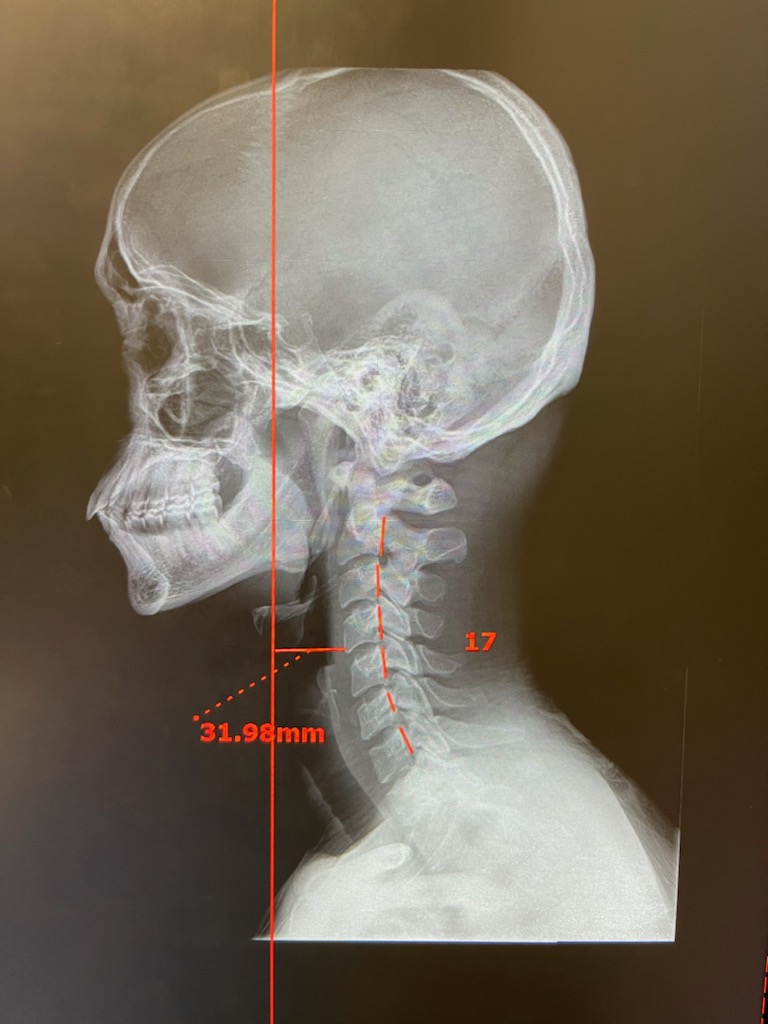
Why a Spinal Assessment Before Adjustment Matters
Family Healing Chiropractic
2026-07-30
A quick adjustment may sound appealing when your back is tight, your neck will not turn, or headaches keep returning. But meaningful chiropractic care begins before the adjustment. A spinal assessment before adjustment gives your chiropractor a clearer picture of how your body is functioning, where stress may be building, and what type of care fits your needs.Your spine is not simply a stack of bones that needs to be cracked into place. It protects the nervous system, supports movement, and influences how you stand, walk, work, sleep, and care for your family. When there is dysfunction in the spine, the body may compensate for a long time before pain finally gets your attention.At Family Healing Chiropractic, we believe the body was designed by God with an incredible ability to heal and adapt. Our role is to look for interference and dysfunction carefully, then provide care with purpose rather than guessing.
Why an Adjustment Should Not Be a Guess
Pain can point to a problem, but it does not always tell you where the problem started. The low back pain you feel after a long workday may be connected to poor hip movement, years of posture stress, an old injury, or the way your spine is compensating above or below the painful area. A headache may involve neck tension, restricted movement, posture habits, or other factors that deserve a closer look.That is why an adjustment should be based on more than the location of discomfort. A thorough assessment helps identify patterns. It gives the chiropractor information about spinal motion, muscle tension, posture changes, nerve-system stress, and the areas that may need focused care.This matters for children, too. A child may not describe discomfort the way an adult does. Parents may instead notice poor posture, frequent complaints of aches, limited activity, sleep challenges, or changes after a fall, sports season, or growth spurt. Checking early can help families make informed decisions about their child's spinal health and function.What Happens During a Spinal Assessment Before Adjustment
A quality assessment is a conversation, an observation, and a hands-on examination. The exact process depends on your age, health history, symptoms, and goals. Someone recovering from a recent accident needs a different evaluation than a healthy adult seeking wellness care or a parent bringing in an infant.Your Health History Comes First
Your chiropractor will ask questions about what you are experiencing, when it began, what makes it better or worse, prior injuries, work demands, exercise, sleep, medications, and previous care. This is not paperwork for paperwork's sake. It helps connect the dots.For example, a Charlotte parent who spends hours lifting a toddler may have different physical stresses than a professional who sits at a computer all day. A former athlete may be carrying compensation patterns from an injury that happened years ago. Your story provides context for what the exam reveals.You should also share symptoms that may seem unrelated, including numbness, tingling, weakness, dizziness, balance changes, or pain that travels into an arm or leg. Honest answers help your doctor determine whether chiropractic care is appropriate and whether another provider or additional testing should be involved.Posture and Movement Reveal Daily Patterns
Posture is not about standing perfectly still all day. It is about how your body manages the forces placed on it. During an assessment, the chiropractor may observe how your head sits over your shoulders, whether one shoulder or hip appears higher, how you bear weight, and how your spinal curves are functioning.Range-of-motion testing can show where movement is restricted or uncomfortable. You may be asked to bend, turn, reach, or walk so the doctor can see how the spine and surrounding joints move together. A limited neck turn, for instance, may matter even if your main complaint is shoulder pain.These findings do not create a complete diagnosis by themselves. They are pieces of a larger picture. Still, they often reveal the compensations that patients have learned to live with until their body can no longer ignore them.Palpation Helps Locate Tension and Restriction
Palpation is the hands-on part of the examination. Your chiropractor feels along the spine and nearby muscles to identify areas of tenderness, tightness, temperature changes, swelling, or restricted joint movement.This gives valuable information that a posture photo alone cannot provide. Two people may look similar when standing, yet one may have significant muscle guarding and limited motion on one side. The goal is not to chase every sore spot. It is to understand which areas are contributing to the overall pattern of dysfunction.Nerve-System Testing Adds Another Layer
Because the spine protects the nervous system, many chiropractic offices use computerized nerve scans or other nerve-system-focused evaluations as part of a broader assessment. These tests can help identify areas where the body may be under stress and establish a baseline for care.A scan is not a replacement for a full examination, medical diagnosis, or appropriate referral. It is one helpful tool. When combined with your history, movement testing, posture analysis, and palpation findings, it can help your chiropractor explain why a care recommendation is being made and track changes over time.X-Rays Are Used When They Are Clinically Appropriate
X-rays can be useful when a chiropractor needs a clearer view of spinal alignment, structural changes, past injuries, or other concerns that cannot be evaluated adequately through an exam alone. They are not necessary for every person or every visit.When imaging is recommended, it should have a purpose. An X-ray-based alignment review may help guide care planning, especially when there is trauma history, significant postural change, persistent symptoms, or findings that call for a closer look. If imaging or examination findings suggest a problem outside chiropractic scope, the right next step may be referral or co-management with another healthcare professional.The Assessment Shapes Your Care Plan
An assessment is not a sales pitch for a one-size-fits-all care plan. It should lead to a clear conversation about what was found, what may be contributing to your concerns, what chiropractic care can reasonably address, and what progress may look like.Some people need focused care for a current problem. Others choose ongoing wellness care because they want to maintain mobility, support posture, and address stress patterns before they become bigger issues. The right frequency depends on your condition, response to care, goals, lifestyle, and clinical findings.A good chiropractor should explain recommendations in plain language. You deserve to know what areas are being addressed, why they matter, and how the plan may be adjusted as your body responds. Care is most effective when patients are active participants, not passive recipients of quick fixes.When You Should Be Checked Before Any Adjustment
A spinal evaluation is especially important after a fall, car accident, sports injury, sudden increase in pain, or a new episode of numbness or tingling. It also matters when a problem keeps returning after temporary relief. Repeated flare-ups are often a sign that the underlying movement, posture, or stress pattern has not been fully addressed.Certain symptoms require prompt medical attention rather than an adjustment. Seek urgent care for severe or worsening weakness, loss of bowel or bladder control, numbness in the groin area, unexplained fever with severe back pain, chest pain, or signs of a stroke. Careful chiropractic practice includes recognizing when another level of evaluation is needed.For everyday concerns, do not wait until discomfort becomes unbearable. Early assessment can provide a starting point, whether you are dealing with stiff mornings, recurring headaches, desk-related tension, or the physical demands of raising an active family.Your health is worth more than a rushed guess. A careful spinal assessment creates the foundation for thoughtful chiropractic care, practical next steps, and a better understanding of how your body is responding to life's demands. If something feels off, get checked and give your body the support it needs to move, heal, and serve your family well.
A Family Spinal Health Guide Starts With Function
Family Healing Chiropractic
2026-07-22
A child who tilts their head to one side in every photo, a parent who cannot turn comfortably while backing out of the driveway, and a grandparent who has gradually stopped taking walks may seem like separate concerns. Often, they are signals worth looking at through the same lens: how well the spine and nervous system are functioning. This family spinal health guide is designed to help Charlotte households recognize those signals early and make wise, proactive choices for their health.The spine is more than a stack of bones. It protects the spinal cord, supports posture and movement, and plays a central role in the communication between the brain and body. When joints are restricted, posture breaks down, or the body is adapting to physical stress, people may experience discomfort, stiffness, reduced motion, headaches, or other changes in how they feel and function. A symptom is not always an emergency, but it should not automatically be treated as something to ignore or simply cover up.
A Family Spinal Health Guide Starts With Function
Many families wait until pain becomes intense before seeking help. That approach makes sense when life is busy, but it can miss the earlier changes that give the body time to adapt. Spinal health is not only about whether someone hurts today. It is also about posture, mobility, balance, sleep, energy, coordination, and the ability to do everyday activities without constant compensation.Think about function across a normal week. Can your child carry a backpack without one shoulder riding higher? Can you work at a computer, play with your children, exercise, and sleep without waking up stiff? Can an older family member look over their shoulder, walk with confidence, and stay active in the activities that bring them joy? These questions reveal more than a pain scale ever could.A healthy family routine does not require perfection. It requires attention. Bodies are wonderfully designed to adapt, but adaptation has limits. Repeated stress from long hours of sitting, poor workstation setup, athletic impacts, falls, awkward lifting, pregnancy changes, and even the ordinary demands of parenting can affect spinal movement over time.What Spinal Stress Looks Like at Different Ages
Infants and young children
Birth is physically demanding, even when it goes as planned. As babies grow, they also experience falls, car seats, tummy-time transitions, and rapid developmental changes. Parents may notice a consistent head preference, difficulty settling, discomfort in certain positions, challenges with feeding, or one-sided movement patterns. These signs do not diagnose a spinal problem on their own, and pediatric concerns should always be discussed with the appropriate medical professional. Still, they can be worthwhile reasons to have a child’s posture and movement assessed.As children enter school, backpacks, screen time, playground falls, and sports add new demands. Watch for slouching that cannot be corrected easily, uneven shoulders, frequent complaints of neck or back discomfort, or a noticeable change in coordination or willingness to be active.Teens and active adults
Teen years bring growth spurts, heavier backpacks, more competitive sports, and more screen-based schoolwork. The body may grow quickly while strength, movement habits, and posture lag behind. A teenager who repeatedly rolls an ankle, develops persistent neck tightness, or complains of headaches after studying may be compensating for more than just a busy schedule.Adults often normalize pain because work and family responsibilities leave little room to slow down. Desk work can encourage forward-head posture and rounded shoulders. Physical jobs can create repeated lifting and twisting strain. Parents also spend years carrying children, hauling groceries, bending over car seats, and sleeping in less-than-ideal positions. The issue is rarely one single movement. It is the repetition of stress without enough recovery or correction.Older adults
For older adults, preserving mobility is a major part of preserving independence. Stiffness, reduced range of motion, and fear of falling can gradually make life smaller. Gentle movement, strength work approved by a health professional, good footwear, hydration, and attention to spinal function can help support confidence and daily activity.However, sudden weakness, loss of balance, new bowel or bladder changes, severe unrelenting pain, pain after a significant fall, chest pain, or numbness that is rapidly worsening require urgent medical attention. Chiropractic care is part of a broader health plan, not a substitute for emergency or specialty care when those needs arise.Look Beyond the Place That Hurts
The location of pain is not always the origin of the problem. A low back that aches may be affected by hip movement, prolonged sitting, or an old ankle injury that changed the way someone walks. A tight neck may reflect a workstation set too low, stress-related muscle tension, or years of looking down at a phone.That is why a thoughtful chiropractic evaluation should look beyond a quick adjustment. Depending on a person’s needs, an assessment may include a health history, posture and range-of-motion review, palpation, computerized nerve-system scans, and X-ray-based alignment review when clinically appropriate. These tools can help identify patterns of restriction, asymmetry, or stress that deserve attention.At Family Healing Chiropractic, the goal is to understand what may be interfering with healthy function, rather than merely chasing the symptom of the day. No two people, even within the same household, have the same history. A child’s care plan should not look like an adult’s, and a wellness visit is different from an evaluation after a car accident or acute injury.Everyday Habits That Support a Healthier Spine
Daily choices cannot replace a proper evaluation when there is a concern, but they can reduce unnecessary strain. Families do best when the healthy choice is built into normal routines rather than treated like another overwhelming task.Create movement breaks during homework and workdays. Getting up for a few minutes every 30 to 60 minutes can be more helpful than trying to undo eight hours of stillness with one workout. Encourage children to use both backpack straps and keep the load as light as practical. Set screens at a height that does not force the head forward, and make sure feet are supported when seated.At home, practice smart lifting. Get close to the object, bend at the hips and knees, keep the load near the body, and avoid twisting while carrying weight. For parents, alternate the side used to carry a child when possible. For athletes, do not treat pain as a badge of honor. Rest, recovery, movement coaching, and early assessment can prevent a small issue from becoming a longer interruption.Sleep matters too. The right pillow and mattress depend on body type, sleep position, and personal comfort, so there is no single product that fits every person. The practical goal is simple: wake up feeling reasonably supported, not folded, twisted, or consistently more sore than when you went to bed.Why Early Checks Matter for Families
A spinal assessment is not about finding something wrong with everyone. It is about gaining a clearer picture of how the body is functioning before pain or limitation becomes the only reason to act. Parents schedule dental cleanings, vision checks, and annual physicals because prevention is easier than crisis management. Spinal and nervous system health deserve that same thoughtful attention.For families pursuing chiropractic care, consistency often matters more than a one-time visit. Some people need focused care after an injury or a period of significant discomfort. Others benefit from periodic wellness checks that help them stay aware of posture, mobility, and changes in function. The right frequency depends on the person’s age, goals, health history, activities, and findings from the examination.We believe God designed the body with an extraordinary ability to heal, adapt, and serve us well. Supporting that design means listening when the body gives a warning, seeking qualified guidance, and choosing habits that honor long-term health. A family that gets checked early is not living in fear. It is taking a practical step toward moving, working, playing, and serving with greater freedom.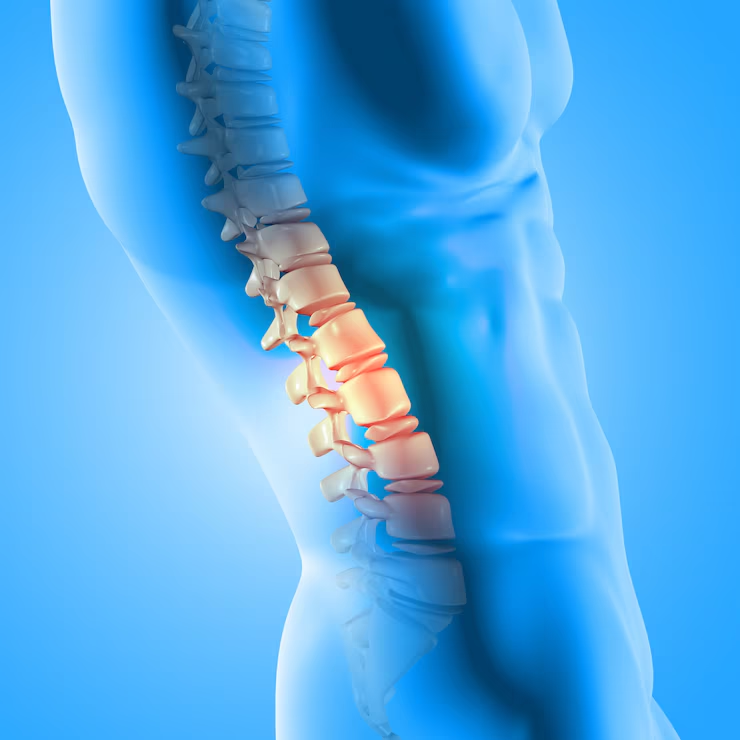
Spinal Adjustment vs Painkillers: Different Goals
Family Healing Chiropractic
2026-07-22
A sore back can make every part of family life harder. It changes how you sleep, work, drive, pick up your child, and show up for the people you love. When pain hits, many people face the same question: spinal adjustment vs painkillers - which approach makes the most sense?The honest answer is not that one choice fits every person or every condition. Medication can have a useful place, especially for short-term relief or serious medical situations. Chiropractic care may help many people with certain musculoskeletal problems by addressing movement, joint function, posture, and mechanical stress. The wisest decision begins with understanding what is causing the pain, what your body needs, and when a symptom requires medical attention right away.
Spinal Adjustment vs Painkillers: Different Goals
Painkillers are generally designed to reduce the experience of pain. Depending on the medication, they may also reduce inflammation, relax muscles, or affect how the nervous system processes pain signals. That can be valuable when pain is intense enough to keep someone from sleeping, moving, or functioning.But relief is not always the same as resolution. If a person has recurring back pain because of poor movement patterns, prolonged sitting, joint restriction, an old injury, or postural strain, medication may lessen the symptom without changing the mechanical pattern that keeps bringing it back.A spinal adjustment is a hands-on chiropractic procedure intended to improve joint movement and reduce musculoskeletal restriction. Chiropractors commonly pair adjustments with a thorough assessment of posture, range of motion, tenderness, movement habits, and overall function. The goal is not simply to chase a pain score. It is to understand why the body may be compensating and help restore healthier movement where appropriate.For Charlotte families who are tired of repeating the same cycle of pain, medication, brief relief, and more pain, that difference matters. A care plan should look beyond the momentary discomfort and ask what may be contributing to it.When Pain Medication Can Be Helpful
Pain medication is not automatically a bad choice. An over-the-counter anti-inflammatory or other medication may be appropriate for some people with short-term pain, provided it is taken as directed and is safe with their medical history. Prescription medicine may also be necessary after surgery, during severe acute injury, or for conditions that require a physician's supervision.The concern comes when medication becomes the only strategy for recurring pain. Long-term or frequent use can carry real risks. Anti-inflammatory medicines can affect the stomach, kidneys, blood pressure, and cardiovascular health in some people. Acetaminophen can harm the liver when taken in excess or combined with other products that contain it. Prescription opioids have significant risks, including dependence, overdose, constipation, sedation, and impaired driving.Even medications that seem familiar deserve care. A parent taking a medicine while caring for young children, an older adult with several prescriptions, or a person with liver, kidney, heart, stomach, or bleeding concerns should speak with a qualified medical professional or pharmacist before using medication regularly.Never stop a prescribed medication suddenly without guidance from the clinician who prescribed it. The goal is not to shame someone for needing relief. The goal is to make sure relief is paired with a plan for the underlying problem whenever possible.What Chiropractic Care May Offer
Chiropractic care can be a reasonable non-drug option for many people with uncomplicated low back pain, neck pain, stiffness, or movement-related discomfort. Some patients report less pain, better mobility, and greater confidence with daily activities after a personalized course of care. Results vary because people, injuries, and health histories vary.At Family Healing Chiropractic, an evaluation may include posture and range-of-motion testing, palpation, spinal assessment, and, when clinically appropriate, imaging or other tools that help the doctor understand alignment and function. A careful examination matters because an adjustment should never be treated as a one-size-fits-all service.For some people, the most helpful plan includes gentle adjustments, mobility work, ergonomic changes, strength and movement guidance, and better daily habits. A working professional may need to change a desk setup and break up long hours of sitting. A new parent may need help with lifting and feeding positions. An athlete may need to address movement patterns that keep overloading the same area.Chiropractic care is also often part of a wellness-minded approach. When a family chooses regular movement, quality sleep, nourishing food, stress management, and appropriate chiropractic care, they are investing in function before a small problem becomes a larger one.What an Adjustment Cannot Replace
Chiropractic care should not be presented as a replacement for emergency care, surgery when surgery is needed, treatment for infection, or management of serious disease. It also cannot guarantee a cure for every symptom.A responsible chiropractor recognizes when a patient needs co-management or referral. If an exam suggests a fracture, severe nerve compression, systemic illness, or another condition outside chiropractic scope, the next step should be appropriate medical evaluation.Safety Comes Before Either Option
Before choosing an adjustment or reaching for another medication, pay attention to warning signs. Severe pain after a fall, car accident, or other trauma should be assessed promptly. So should new weakness, numbness that is worsening, loss of bowel or bladder control, numbness in the groin area, fever with back pain, unexplained weight loss, chest pain, severe headache, trouble speaking, or sudden changes in balance or vision.These symptoms can point to conditions that need urgent medical attention. Do not try to push through them with medication or wait for a routine adjustment.For routine back or neck pain without red flags, the right first step is often an individualized examination. This helps separate a simple mechanical strain from a problem that needs a different kind of care. It also gives patients the chance to discuss their health history, medications, osteoporosis risk, pregnancy, past surgeries, and other factors that may affect what treatment is appropriate.The Better Question: What Is Driving the Pain?
The spinal adjustment vs painkillers conversation becomes more useful when it moves beyond, “What will make this stop today?” and asks, “Why does this keep happening?”Pain can be influenced by a combination of joint mechanics, muscle tension, sleep, stress, work demands, prior injuries, activity level, and overall health. A painkiller may help someone get through a difficult day. An adjustment may help address restricted movement in a joint. Neither should be considered in isolation from the larger picture.A good care plan respects both immediate needs and long-term goals. If pain is keeping you from functioning, short-term medical relief may be part of the discussion. If poor movement, posture, and recurring strain are part of the pattern, chiropractic assessment may offer a path toward improving function rather than simply covering the signal.That is especially relevant for families. Children, teens, parents, and grandparents all place different demands on their bodies. A child carrying a heavy backpack, a teen spending hours over a screen, a parent lifting toddlers, and a grandparent trying to stay active may each benefit from being evaluated based on their individual needs. Children should be assessed thoughtfully, and parents should not assume an adjustment is a treatment for every childhood complaint.Choosing Care With Wisdom and Conviction
The body is remarkably designed, and it often responds well when it is given the right support. That does not mean ignoring pain or rejecting every medical tool. It means refusing to settle for a cycle of temporary symptom management when a deeper assessment may be needed.If pain has become a regular part of your life, consider getting checked before it becomes your normal. Ask what is contributing to the problem, what treatment options are appropriate for your situation, and what daily changes can help protect your progress. A thoughtful plan can include chiropractic care, medical care, movement, rest, and practical lifestyle changes.Your health is not just about getting through the next painful day. It is about building the strength, mobility, and confidence to be present for the life and people God has entrusted to you.A sore back can make every part of family life harder. It changes how you sleep, work, drive, pick up your child, and show up for the people you love. When pain hits, many people face the same question: spinal adjustment vs painkillers - which approach makes the most sense?The honest answer is not that one choice fits every person or every condition. Medication can have a useful place, especially for short-term relief or serious medical situations. Chiropractic care may help many people with certain musculoskeletal problems by addressing movement, joint function, posture, and mechanical stress. The wisest decision begins with understanding what is causing the pain, what your body needs, and when a symptom requires medical attention right away.Spinal Adjustment vs Painkillers: Different GoalsPainkillers are generally designed to reduce the experience of pain. Depending on the medication, they may also reduce inflammation, relax muscles, or affect how the nervous system processes pain signals. That can be valuable when pain is intense enough to keep someone from sleeping, moving, or functioning.But relief is not always the same as resolution. If a person has recurring back pain because of poor movement patterns, prolonged sitting, joint restriction, an old injury, or postural strain, medication may lessen the symptom without changing the mechanical pattern that keeps bringing it back.A spinal adjustment is a hands-on chiropractic procedure intended to improve joint movement and reduce musculoskeletal restriction. Chiropractors commonly pair adjustments with a thorough assessment of posture, range of motion, tenderness, movement habits, and overall function. The goal is not simply to chase a pain score. It is to understand why the body may be compensating and help restore healthier movement where appropriate.For Charlotte families who are tired of repeating the same cycle of pain, medication, brief relief, and more pain, that difference matters. A care plan should look beyond the momentary discomfort and ask what may be contributing to it.When Pain Medication Can Be HelpfulPain medication is not automatically a bad choice. An over-the-counter anti-inflammatory or other medication may be appropriate for some people with short-term pain, provided it is taken as directed and is safe with their medical history. Prescription medicine may also be necessary after surgery, during severe acute injury, or for conditions that require a physician's supervision.The concern comes when medication becomes the only strategy for recurring pain. Long-term or frequent use can carry real risks. Anti-inflammatory medicines can affect the stomach, kidneys, blood pressure, and cardiovascular health in some people. Acetaminophen can harm the liver when taken in excess or combined with other products that contain it. Prescription opioids have significant risks, including dependence, overdose, constipation, sedation, and impaired driving.Even medications that seem familiar deserve care. A parent taking a medicine while caring for young children, an older adult with several prescriptions, or a person with liver, kidney, heart, stomach, or bleeding concerns should speak with a qualified medical professional or pharmacist before using medication regularly.Never stop a prescribed medication suddenly without guidance from the clinician who prescribed it. The goal is not to shame someone for needing relief. The goal is to make sure relief is paired with a plan for the underlying problem whenever possible.What Chiropractic Care May OfferChiropractic care can be a reasonable non-drug option for many people with uncomplicated low back pain, neck pain, stiffness, or movement-related discomfort. Some patients report less pain, better mobility, and greater confidence with daily activities after a personalized course of care. Results vary because people, injuries, and health histories vary.At Family Healing Chiropractic, an evaluation may include posture and range-of-motion testing, palpation, spinal assessment, and, when clinically appropriate, imaging or other tools that help the doctor understand alignment and function. A careful examination matters because an adjustment should never be treated as a one-size-fits-all service.For some people, the most helpful plan includes gentle adjustments, mobility work, ergonomic changes, strength and movement guidance, and better daily habits. A working professional may need to change a desk setup and break up long hours of sitting. A new parent may need help with lifting and feeding positions. An athlete may need to address movement patterns that keep overloading the same area.Chiropractic care is also often part of a wellness-minded approach. When a family chooses regular movement, quality sleep, nourishing food, stress management, and appropriate chiropractic care, they are investing in function before a small problem becomes a larger one.What an Adjustment Cannot ReplaceChiropractic care should not be presented as a replacement for emergency care, surgery when surgery is needed, treatment for infection, or management of serious disease. It also cannot guarantee a cure for every symptom.A responsible chiropractor recognizes when a patient needs co-management or referral. If an exam suggests a fracture, severe nerve compression, systemic illness, or another condition outside chiropractic scope, the next step should be appropriate medical evaluation.Safety Comes Before Either OptionBefore choosing an adjustment or reaching for another medication, pay attention to warning signs. Severe pain after a fall, car accident, or other trauma should be assessed promptly. So should new weakness, numbness that is worsening, loss of bowel or bladder control, numbness in the groin area, fever with back pain, unexplained weight loss, chest pain, severe headache, trouble speaking, or sudden changes in balance or vision.These symptoms can point to conditions that need urgent medical attention. Do not try to push through them with medication or wait for a routine adjustment.For routine back or neck pain without red flags, the right first step is often an individualized examination. This helps separate a simple mechanical strain from a problem that needs a different kind of care. It also gives patients the chance to discuss their health history, medications, osteoporosis risk, pregnancy, past surgeries, and other factors that may affect what treatment is appropriate.The Better Question: What Is Driving the Pain?The spinal adjustment vs painkillers conversation becomes more useful when it moves beyond, “What will make this stop today?” and asks, “Why does this keep happening?”Pain can be influenced by a combination of joint mechanics, muscle tension, sleep, stress, work demands, prior injuries, activity level, and overall health. A painkiller may help someone get through a difficult day. An adjustment may help address restricted movement in a joint. Neither should be considered in isolation from the larger picture.A good care plan respects both immediate needs and long-term goals. If pain is keeping you from functioning, short-term medical relief may be part of the discussion. If poor movement, posture, and recurring strain are part of the pattern, chiropractic assessment may offer a path toward improving function rather than simply covering the signal.That is especially relevant for families. Children, teens, parents, and grandparents all place different demands on their bodies. A child carrying a heavy backpack, a teen spending hours over a screen, a parent lifting toddlers, and a grandparent trying to stay active may each benefit from being evaluated based on their individual needs. Children should be assessed thoughtfully, and parents should not assume an adjustment is a treatment for every childhood complaint.Choosing Care With Wisdom and ConvictionThe body is remarkably designed, and it often responds well when it is given the right support. That does not mean ignoring pain or rejecting every medical tool. It means refusing to settle for a cycle of temporary symptom management when a deeper assessment may be needed.If pain has become a regular part of your life, consider getting checked before it becomes your normal. Ask what is contributing to the problem, what treatment options are appropriate for your situation, and what daily changes can help protect your progress. A thoughtful plan can include chiropractic care, medical care, movement, rest, and practical lifestyle changes.Your health is not just about getting through the next painful day. It is about building the strength, mobility, and confidence to be present for the life and people God has entrusted to you.

Why spinal alignment matters so much
Family Healing Chiropractic
2026-07-08
A lot of people wait until the pain gets loud. The headaches become routine, the lower back tightens every afternoon, or the shoulders stay tense no matter how much stretching they do. That is usually the moment they start asking about the top benefits of spinal alignment. The better question is this: what happens in your body when your spine is not aligned the way it was designed to be?Your spine does more than hold you upright. It protects the nervous system, supports movement, and helps your body adapt to daily stress. When alignment is off, pressure and irritation can affect far more than one sore spot. When alignment improves, many people notice changes that go beyond pain relief. That is why chiropractic care matters to families who want answers at the root, not just another temporary fix.
The spine and nervous system work together constantly. Every bend, twist, lift, step, and even your posture at a desk places demand on that system. If the joints of the spine are not moving well or are under repeated stress, the body often begins to compensate. One area gets tight to protect another. Muscles fatigue. Posture changes. Movement becomes less efficient.Over time, that strain can show up as back pain, neck pain, headaches, stiffness, tingling, poor sleep, or a general sense that your body is working harder than it should. For some people, the signs are obvious. For others, they build slowly and become normal. That is one reason spinal assessments are so valuable. They help reveal patterns you may have been living with for years.
The root cause
Family Healing Chiropractic
2026-05-15
When your child keeps getting headaches, your back tightens up every afternoon, or you wake up feeling tired even after a full night of sleep, it is easy to accept that something is just off and keep pushing through. But many Charlotte families are asking a better question: what is causing the problem in the first place? That is why more people are searching for a family chiropractor Charlotte NC residents can trust for care that looks beyond short-term relief.
Chiropractic care is not about covering up symptoms and hoping for the best. It is about finding stress, misalignment, and nerve interference that may be affecting how the body functions. When the spine is not moving and aligning the way it should, the nervous system can become irritated. That matters because the nervous system helps coordinate everything from movement and posture to how well your body adapts to daily stress.
For families, this approach makes sense. A toddler who falls often, a teenager hunched over a laptop, a parent carrying stress in the shoulders, and a grandparent dealing with stiffness may all have different complaints, but the deeper issue can still come back to function. The body was designed by God to heal, but healing works best when interference is identified and corrected.
Why families in Charlotte choose chiropractic care
A true family practice is not just a clinic that sees adults and occasionally adjusts a child. It is built around the idea that every stage of life places different demands on the spine and nervous system. Infants go through birth stress. Kids take tumbles, carry backpacks, and spend too much time sitting. Adults deal with work strain, driving, poor posture, and chronic tension. Older adults often notice reduced mobility, balance concerns, and long-standing patterns that were never corrected.
That is why [family chiropractic care](https://familyhealingcharlotte.com/services) can be so valuable. It gives households one place to turn for consistent, natural support. Instead of waiting until pain becomes severe, families can get checked early, track changes over time, and make wellness part of normal life.
There is also a practical side to this. Parents are busy. They want care that is clear, efficient, and focused on real answers. When a chiropractor takes time to evaluate posture, spinal alignment, range of motion, nerve stress, and function, it gives families a better picture of what is happening beneath the surface. That creates confidence in the care plan, especially for people who are tired of guessing.
What a family chiropractor in Charlotte NC should actually evaluate
Not all chiropractic offices approach care the same way. Some focus mainly on symptom relief. That may help in the short term, but families who want lasting change should look for a chiropractor who takes a more complete view of the problem.
A quality evaluation should go beyond asking where it hurts. It should look at alignment, mobility, posture, tension patterns, and how the nervous system may be involved. In many cases, the root cause of discomfort has been developing for months or years before symptoms become obvious.
A thorough office may use spinal assessments, posture and range-of-motion analysis, palpation exams, computerized nerve scans, and X-ray-based alignment reviews when appropriate. Each of these tools helps answer a different question. Is the spine moving well? Is there visible distortion in posture? Are there signs of pressure, irritation, or compensation patterns? Is the body adapting poorly to stress?
This matters because care should be specific. A rushed, one-size-fits-all adjustment is not the same as a thoughtful plan built around what your body actually needs. The best family care is personal, consistent, and rooted in measurable findings.
Who can benefit from a family chiropractor Charlotte NC practice?
The short answer is this: nearly every member of the household can benefit, but the reason may differ from person to person.
Parents often come in because of neck pain, low back pain, headaches, sciatica, poor posture, or stress-related tension. They may have tried stretching, pain medication, massage, or rest without getting lasting results. Chiropractic care can help address structural and nerve-related issues that keep those problems coming back.
Children may not always complain clearly, but they still show signs that something is off. You might notice poor posture, fidgeting, frequent falls, difficulty settling down, recurring discomfort, or limited mobility. Kids are active, resilient, and constantly growing, but that does not mean their spines should be ignored.
Even infants can experience physical stress, especially after a difficult birth process. Gentle chiropractic evaluation can help identify areas of tension or imbalance. The approach is very different from adult care, and that is why experience with family care matters.
For older adults, chiropractic can support mobility, posture, flexibility, and everyday function. Some need relief from years of wear and tear. Others want to stay active, independent, and engaged with their families. In either case, better movement and better nervous system function can make a meaningful difference.
Why root-cause care matters more than temporary relief
Charlotte families are overwhelmed with options that promise quick relief. Pain pills, muscle relaxers, heating pads, braces, and endless online advice can all have a place, but they do not always solve the underlying issue. If the spine is misaligned, if joints are not moving correctly, or if the nervous system is under stress, symptoms may keep returning.
That is where chiropractic stands apart. It asks a simple but powerful question: why is this happening?
Sometimes the answer is straightforward. A poor workstation setup and constant forward head posture can create neck tension and headaches. Sometimes it is more layered. A long-standing spinal problem can lead to compensations elsewhere in the body, so a person feels pain in one spot while the real problem started somewhere else.
This is also where honesty matters. Not every case changes overnight. Some people respond quickly. Others need consistent care because their condition has been building for years. There can be trade-offs. Relief-focused care may feel faster at first, while corrective care often requires more patience and follow-through. But for many families, lasting improvement is worth that commitment.
What makes family-centered chiropractic different
A family-centered practice understands that health decisions are rarely made in isolation. When one person in the home is struggling, it affects everyone. A parent in pain has less energy. A child with recurring issues can create constant stress. When the household starts functioning better, family life often improves too.
That is why the best practices do more than adjust spines. They educate, encourage, and build long-term relationships. They explain what they are finding in plain language. They help patients understand how posture, stress, movement, and spinal health work together. They create care plans with purpose instead of simply reacting to each symptom as it shows up.
For many people of faith, this approach resonates deeply. There is something powerful about care that respects the body as intentionally designed and capable of healing when interference is removed. That belief does not replace clinical skill. It strengthens the mission behind it.
In Charlotte, that combination of conviction, experience, and community trust matters. Families want someone who will tell the truth, stay focused on what is causing dysfunction, and care about their long-term health, not just the next appointment.
How to choose the right office for your family
Start by paying attention to philosophy. Does the office talk mainly about pain, or do they talk about function, healing, and the nervous system? Pain matters, of course, but symptoms are not the whole story.
Next, consider whether the practice truly welcomes all ages. A real family office should know how to evaluate and care for infants, children, adults, and older patients with wisdom and confidence. It should also use appropriate assessments rather than guessing.
Look for clarity as well. You should understand what the doctor found, why it matters, and what the recommended plan is meant to accomplish. If everything feels vague or rushed, keep looking.
Finally, think long term. [The right chiropractor](https://familyhealingcharlotte.com/about) is not just there for flare-ups. They should be equipped to help your family build better habits, improve function, and stay proactive about health. That is one reason many Charlotte families turn to Family Healing Chiropractic for ongoing wellness support rooted in experience, compassion, and a clear commitment to natural healing.
If your family has been living with recurring pain, tension, poor posture, or nagging health concerns that never seem fully resolved, is a wise next step. Sometimes the biggest change begins with a simple decision to stop settling for symptoms and start looking for the cause.When your child keeps getting headaches, your back tightens up every afternoon, or you wake up feeling tired even after a full night of sleep, it is easy to accept that something is just off and keep pushing through. But many Charlotte families are asking a better question: what is causing the problem in the first place? That is why more people are searching for a family chiropractor Charlotte NC residents can trust for care that looks beyond short-term relief.Chiropractic care is not about covering up symptoms and hoping for the best. It is about finding stress, misalignment, and nerve interference that may be affecting how the body functions. When the spine is not moving and aligning the way it should, the nervous system can become irritated. That matters because the nervous system helps coordinate everything from movement and posture to how well your body adapts to daily stress.For families, this approach makes sense. A toddler who falls often, a teenager hunched over a laptop, a parent carrying stress in the shoulders, and a grandparent dealing with stiffness may all have different complaints, but the deeper issue can still come back to function. The body was designed by God to heal, but healing works best when interference is identified and corrected.
Why families in Charlotte choose chiropractic care
A true family practice is not just a clinic that sees adults and occasionally adjusts a child. It is built around the idea that every stage of life places different demands on the spine and nervous system. Infants go through birth stress. Kids take tumbles, carry backpacks, and spend too much time sitting. Adults deal with work strain, driving, poor posture, and chronic tension. Older adults often notice reduced mobility, balance concerns, and long-standing patterns that were never corrected.That is why can be so valuable. It gives households one place to turn for consistent, natural support. Instead of waiting until pain becomes severe, families can get checked early, track changes over time, and make wellness part of normal life.There is also a practical side to this. Parents are busy. They want care that is clear, efficient, and focused on real answers. When a chiropractor takes time to evaluate posture, spinal alignment, range of motion, nerve stress, and function, it gives families a better picture of what is happening beneath the surface. That creates confidence in the care plan, especially for people who are tired of guessing.
What a family chiropractor in Charlotte NC should actually evaluate
Not all chiropractic offices approach care the same way. Some focus mainly on symptom relief. That may help in the short term, but families who want lasting change should look for a chiropractor who takes a more complete view of the problem.A quality evaluation should go beyond asking where it hurts. It should look at alignment, mobility, posture, tension patterns, and how the nervous system may be involved. In many cases, the root cause of discomfort has been developing for months or years before symptoms become obvious.A thorough office may use spinal assessments, posture and range-of-motion analysis, palpation exams, computerized nerve scans, and X-ray-based alignment reviews when appropriate. Each of these tools helps answer a different question. Is the spine moving well? Is there visible distortion in posture? Are there signs of pressure, irritation, or compensation patterns? Is the body adapting poorly to stress?This matters because care should be specific. A rushed, one-size-fits-all adjustment is not the same as a thoughtful plan built around what your body actually needs. The best family care is personal, consistent, and rooted in measurable findings.
Who can benefit from a family chiropractor Charlotte NC practice?
The short answer is this: nearly every member of the household can benefit, but the reason may differ from person to person.Parents often come in because of neck pain, low back pain, headaches, sciatica, poor posture, or stress-related tension. They may have tried stretching, pain medication, massage, or rest without getting lasting results. Chiropractic care can help address structural and nerve-related issues that keep those problems coming back.Children may not always complain clearly, but they still show signs that something is off. You might notice poor posture, fidgeting, frequent falls, difficulty settling down, recurring discomfort, or limited mobility. Kids are active, resilient, and constantly growing, but that does not mean their spines should be ignored.Even infants can experience physical stress, especially after a difficult birth process. Gentle chiropractic evaluation can help identify areas of tension or imbalance. The approach is very different from adult care, and that is why experience with family care matters.For older adults, chiropractic can support mobility, posture, flexibility, and everyday function. Some need relief from years of wear and tear. Others want to stay active, independent, and engaged with their families. In either case, better movement and better nervous system function can make a meaningful difference.## Why root-cause care matters more than temporary reliefCharlotte families are overwhelmed with options that promise quick relief. Pain pills, muscle relaxers, heating pads, braces, and endless online advice can all have a place, but they do not always solve the underlying issue. If the spine is misaligned, if joints are not moving correctly, or if the nervous system is under stress, symptoms may keep returning.That is where chiropractic stands apart. It asks a simple but powerful question: why is this happening?Sometimes the answer is straightforward. A poor workstation setup and constant forward head posture can create neck tension and headaches. Sometimes it is more layered. A long-standing spinal problem can lead to compensations elsewhere in the body, so a person feels pain in one spot while the real problem started somewhere else.This is also where honesty matters. Not every case changes overnight. Some people respond quickly. Others need consistent care because their condition has been building for years. There can be trade-offs. Relief-focused care may feel faster at first, while corrective care often requires more patience and follow-through. But for many families, lasting improvement is worth that commitment.## What makes family-centered chiropractic differentA family-centered practice understands that health decisions are rarely made in isolation. When one person in the home is struggling, it affects everyone. A parent in pain has less energy. A child with recurring issues can create constant stress. When the household starts functioning better, family life often improves too.That is why the best practices do more than adjust spines. They educate, encourage, and build long-term relationships. They explain what they are finding in plain language. They help patients understand how posture, stress, movement, and spinal health work together. They create care plans with purpose instead of simply reacting to each symptom as it shows up.For many people of faith, this approach resonates deeply. There is something powerful about care that respects the body as intentionally designed and capable of healing when interference is removed. That belief does not replace clinical skill. It strengthens the mission behind it.In Charlotte, that combination of conviction, experience, and community trust matters. Families want someone who will tell the truth, stay focused on what is causing dysfunction, and care about their long-term health, not just the next appointment.## How to choose the right office for your familyStart by paying attention to philosophy. Does the office talk mainly about pain, or do they talk about function, healing, and the nervous system? Pain matters, of course, but symptoms are not the whole story.Next, consider whether the practice truly welcomes all ages. A real family office should know how to evaluate and care for infants, children, adults, and older patients with wisdom and confidence. It should also use appropriate assessments rather than guessing.Look for clarity as well. You should understand what the doctor found, why it matters, and what the recommended plan is meant to accomplish. If everything feels vague or rushed, keep looking.Finally, think long term. [The right chiropractor](https://familyhealingcharlotte.com/about) is not just there for flare-ups. They should be equipped to help your family build better habits, improve function, and stay proactive about health. That is one reason many Charlotte families turn to Family Healing Chiropractic for ongoing wellness support rooted in experience, compassion, and a clear commitment to natural healing.If your family has been living with recurring pain, tension, poor posture, or nagging health concerns that never seem fully resolved, [getting checked](https://familyhealingcharlotte.com/scheduler#2698d97a3500886211eba03bac1f6b773f86) is a wise next step. Sometimes the biggest change begins with a simple decision to stop settling for symptoms and start looking for the cause.
Lorem ipsum dolor sit amet, consectetur adipisicing elit. Lorem ipsum dolor sit amet, consectetur adipisicing elit. Lorem ipsum dolor sit amet, consectetur adipisicing elit.
Chiropractic care is not about covering up symptoms and hoping for the best. It is about finding stress, misalignment, and nerve interference that may be affecting how the body functions. When the spine is not moving and aligning the way it should, the nervous system can become irritated. That matters because the nervous system helps coordinate everything from movement and posture to how well your body adapts to daily stress.
For families, this approach makes sense. A toddler who falls often, a teenager hunched over a laptop, a parent carrying stress in the shoulders, and a grandparent dealing with stiffness may all have different complaints, but the deeper issue can still come back to function. The body was designed by God to heal, but healing works best when interference is identified and corrected.
Why families in Charlotte choose chiropractic care
A true family practice is not just a clinic that sees adults and occasionally adjusts a child. It is built around the idea that every stage of life places different demands on the spine and nervous system. Infants go through birth stress. Kids take tumbles, carry backpacks, and spend too much time sitting. Adults deal with work strain, driving, poor posture, and chronic tension. Older adults often notice reduced mobility, balance concerns, and long-standing patterns that were never corrected.
That is why [family chiropractic care](https://familyhealingcharlotte.com/services) can be so valuable. It gives households one place to turn for consistent, natural support. Instead of waiting until pain becomes severe, families can get checked early, track changes over time, and make wellness part of normal life.
There is also a practical side to this. Parents are busy. They want care that is clear, efficient, and focused on real answers. When a chiropractor takes time to evaluate posture, spinal alignment, range of motion, nerve stress, and function, it gives families a better picture of what is happening beneath the surface. That creates confidence in the care plan, especially for people who are tired of guessing.
What a family chiropractor in Charlotte NC should actually evaluate
Not all chiropractic offices approach care the same way. Some focus mainly on symptom relief. That may help in the short term, but families who want lasting change should look for a chiropractor who takes a more complete view of the problem.
A quality evaluation should go beyond asking where it hurts. It should look at alignment, mobility, posture, tension patterns, and how the nervous system may be involved. In many cases, the root cause of discomfort has been developing for months or years before symptoms become obvious.
A thorough office may use spinal assessments, posture and range-of-motion analysis, palpation exams, computerized nerve scans, and X-ray-based alignment reviews when appropriate. Each of these tools helps answer a different question. Is the spine moving well? Is there visible distortion in posture? Are there signs of pressure, irritation, or compensation patterns? Is the body adapting poorly to stress?
This matters because care should be specific. A rushed, one-size-fits-all adjustment is not the same as a thoughtful plan built around what your body actually needs. The best family care is personal, consistent, and rooted in measurable findings.
Who can benefit from a family chiropractor Charlotte NC practice?
The short answer is this: nearly every member of the household can benefit, but the reason may differ from person to person.
Parents often come in because of neck pain, low back pain, headaches, sciatica, poor posture, or stress-related tension. They may have tried stretching, pain medication, massage, or rest without getting lasting results. Chiropractic care can help address structural and nerve-related issues that keep those problems coming back.
Children may not always complain clearly, but they still show signs that something is off. You might notice poor posture, fidgeting, frequent falls, difficulty settling down, recurring discomfort, or limited mobility. Kids are active, resilient, and constantly growing, but that does not mean their spines should be ignored.
Even infants can experience physical stress, especially after a difficult birth process. Gentle chiropractic evaluation can help identify areas of tension or imbalance. The approach is very different from adult care, and that is why experience with family care matters.
For older adults, chiropractic can support mobility, posture, flexibility, and everyday function. Some need relief from years of wear and tear. Others want to stay active, independent, and engaged with their families. In either case, better movement and better nervous system function can make a meaningful difference.
Why root-cause care matters more than temporary relief
Charlotte families are overwhelmed with options that promise quick relief. Pain pills, muscle relaxers, heating pads, braces, and endless online advice can all have a place, but they do not always solve the underlying issue. If the spine is misaligned, if joints are not moving correctly, or if the nervous system is under stress, symptoms may keep returning.
That is where chiropractic stands apart. It asks a simple but powerful question: why is this happening?
Sometimes the answer is straightforward. A poor workstation setup and constant forward head posture can create neck tension and headaches. Sometimes it is more layered. A long-standing spinal problem can lead to compensations elsewhere in the body, so a person feels pain in one spot while the real problem started somewhere else.
This is also where honesty matters. Not every case changes overnight. Some people respond quickly. Others need consistent care because their condition has been building for years. There can be trade-offs. Relief-focused care may feel faster at first, while corrective care often requires more patience and follow-through. But for many families, lasting improvement is worth that commitment.
What makes family-centered chiropractic different
A family-centered practice understands that health decisions are rarely made in isolation. When one person in the home is struggling, it affects everyone. A parent in pain has less energy. A child with recurring issues can create constant stress. When the household starts functioning better, family life often improves too.
That is why the best practices do more than adjust spines. They educate, encourage, and build long-term relationships. They explain what they are finding in plain language. They help patients understand how posture, stress, movement, and spinal health work together. They create care plans with purpose instead of simply reacting to each symptom as it shows up.
For many people of faith, this approach resonates deeply. There is something powerful about care that respects the body as intentionally designed and capable of healing when interference is removed. That belief does not replace clinical skill. It strengthens the mission behind it.
In Charlotte, that combination of conviction, experience, and community trust matters. Families want someone who will tell the truth, stay focused on what is causing dysfunction, and care about their long-term health, not just the next appointment.
How to choose the right office for your family
Start by paying attention to philosophy. Does the office talk mainly about pain, or do they talk about function, healing, and the nervous system? Pain matters, of course, but symptoms are not the whole story.
Next, consider whether the practice truly welcomes all ages. A real family office should know how to evaluate and care for infants, children, adults, and older patients with wisdom and confidence. It should also use appropriate assessments rather than guessing.
Look for clarity as well. You should understand what the doctor found, why it matters, and what the recommended plan is meant to accomplish. If everything feels vague or rushed, keep looking.
Finally, think long term. [The right chiropractor](https://familyhealingcharlotte.com/about) is not just there for flare-ups. They should be equipped to help your family build better habits, improve function, and stay proactive about health. That is one reason many Charlotte families turn to Family Healing Chiropractic for ongoing wellness support rooted in experience, compassion, and a clear commitment to natural healing.
If your family has been living with recurring pain, tension, poor posture, or nagging health concerns that never seem fully resolved, is a wise next step. Sometimes the biggest change begins with a simple decision to stop settling for symptoms and start looking for the cause.When your child keeps getting headaches, your back tightens up every afternoon, or you wake up feeling tired even after a full night of sleep, it is easy to accept that something is just off and keep pushing through. But many Charlotte families are asking a better question: what is causing the problem in the first place? That is why more people are searching for a family chiropractor Charlotte NC residents can trust for care that looks beyond short-term relief.Chiropractic care is not about covering up symptoms and hoping for the best. It is about finding stress, misalignment, and nerve interference that may be affecting how the body functions. When the spine is not moving and aligning the way it should, the nervous system can become irritated. That matters because the nervous system helps coordinate everything from movement and posture to how well your body adapts to daily stress.For families, this approach makes sense. A toddler who falls often, a teenager hunched over a laptop, a parent carrying stress in the shoulders, and a grandparent dealing with stiffness may all have different complaints, but the deeper issue can still come back to function. The body was designed by God to heal, but healing works best when interference is identified and corrected.
Why families in Charlotte choose chiropractic care
A true family practice is not just a clinic that sees adults and occasionally adjusts a child. It is built around the idea that every stage of life places different demands on the spine and nervous system. Infants go through birth stress. Kids take tumbles, carry backpacks, and spend too much time sitting. Adults deal with work strain, driving, poor posture, and chronic tension. Older adults often notice reduced mobility, balance concerns, and long-standing patterns that were never corrected.That is why can be so valuable. It gives households one place to turn for consistent, natural support. Instead of waiting until pain becomes severe, families can get checked early, track changes over time, and make wellness part of normal life.There is also a practical side to this. Parents are busy. They want care that is clear, efficient, and focused on real answers. When a chiropractor takes time to evaluate posture, spinal alignment, range of motion, nerve stress, and function, it gives families a better picture of what is happening beneath the surface. That creates confidence in the care plan, especially for people who are tired of guessing.
What a family chiropractor in Charlotte NC should actually evaluate
Not all chiropractic offices approach care the same way. Some focus mainly on symptom relief. That may help in the short term, but families who want lasting change should look for a chiropractor who takes a more complete view of the problem.A quality evaluation should go beyond asking where it hurts. It should look at alignment, mobility, posture, tension patterns, and how the nervous system may be involved. In many cases, the root cause of discomfort has been developing for months or years before symptoms become obvious.A thorough office may use spinal assessments, posture and range-of-motion analysis, palpation exams, computerized nerve scans, and X-ray-based alignment reviews when appropriate. Each of these tools helps answer a different question. Is the spine moving well? Is there visible distortion in posture? Are there signs of pressure, irritation, or compensation patterns? Is the body adapting poorly to stress?This matters because care should be specific. A rushed, one-size-fits-all adjustment is not the same as a thoughtful plan built around what your body actually needs. The best family care is personal, consistent, and rooted in measurable findings.
Who can benefit from a family chiropractor Charlotte NC practice?
The short answer is this: nearly every member of the household can benefit, but the reason may differ from person to person.Parents often come in because of neck pain, low back pain, headaches, sciatica, poor posture, or stress-related tension. They may have tried stretching, pain medication, massage, or rest without getting lasting results. Chiropractic care can help address structural and nerve-related issues that keep those problems coming back.Children may not always complain clearly, but they still show signs that something is off. You might notice poor posture, fidgeting, frequent falls, difficulty settling down, recurring discomfort, or limited mobility. Kids are active, resilient, and constantly growing, but that does not mean their spines should be ignored.Even infants can experience physical stress, especially after a difficult birth process. Gentle chiropractic evaluation can help identify areas of tension or imbalance. The approach is very different from adult care, and that is why experience with family care matters.For older adults, chiropractic can support mobility, posture, flexibility, and everyday function. Some need relief from years of wear and tear. Others want to stay active, independent, and engaged with their families. In either case, better movement and better nervous system function can make a meaningful difference.## Why root-cause care matters more than temporary reliefCharlotte families are overwhelmed with options that promise quick relief. Pain pills, muscle relaxers, heating pads, braces, and endless online advice can all have a place, but they do not always solve the underlying issue. If the spine is misaligned, if joints are not moving correctly, or if the nervous system is under stress, symptoms may keep returning.That is where chiropractic stands apart. It asks a simple but powerful question: why is this happening?Sometimes the answer is straightforward. A poor workstation setup and constant forward head posture can create neck tension and headaches. Sometimes it is more layered. A long-standing spinal problem can lead to compensations elsewhere in the body, so a person feels pain in one spot while the real problem started somewhere else.This is also where honesty matters. Not every case changes overnight. Some people respond quickly. Others need consistent care because their condition has been building for years. There can be trade-offs. Relief-focused care may feel faster at first, while corrective care often requires more patience and follow-through. But for many families, lasting improvement is worth that commitment.## What makes family-centered chiropractic differentA family-centered practice understands that health decisions are rarely made in isolation. When one person in the home is struggling, it affects everyone. A parent in pain has less energy. A child with recurring issues can create constant stress. When the household starts functioning better, family life often improves too.That is why the best practices do more than adjust spines. They educate, encourage, and build long-term relationships. They explain what they are finding in plain language. They help patients understand how posture, stress, movement, and spinal health work together. They create care plans with purpose instead of simply reacting to each symptom as it shows up.For many people of faith, this approach resonates deeply. There is something powerful about care that respects the body as intentionally designed and capable of healing when interference is removed. That belief does not replace clinical skill. It strengthens the mission behind it.In Charlotte, that combination of conviction, experience, and community trust matters. Families want someone who will tell the truth, stay focused on what is causing dysfunction, and care about their long-term health, not just the next appointment.## How to choose the right office for your familyStart by paying attention to philosophy. Does the office talk mainly about pain, or do they talk about function, healing, and the nervous system? Pain matters, of course, but symptoms are not the whole story.Next, consider whether the practice truly welcomes all ages. A real family office should know how to evaluate and care for infants, children, adults, and older patients with wisdom and confidence. It should also use appropriate assessments rather than guessing.Look for clarity as well. You should understand what the doctor found, why it matters, and what the recommended plan is meant to accomplish. If everything feels vague or rushed, keep looking.Finally, think long term. [The right chiropractor](https://familyhealingcharlotte.com/about) is not just there for flare-ups. They should be equipped to help your family build better habits, improve function, and stay proactive about health. That is one reason many Charlotte families turn to Family Healing Chiropractic for ongoing wellness support rooted in experience, compassion, and a clear commitment to natural healing.If your family has been living with recurring pain, tension, poor posture, or nagging health concerns that never seem fully resolved, [getting checked](https://familyhealingcharlotte.com/scheduler#2698d97a3500886211eba03bac1f6b773f86) is a wise next step. Sometimes the biggest change begins with a simple decision to stop settling for symptoms and start looking for the cause.
Lorem ipsum dolor sit amet, consectetur adipisicing elit. Lorem ipsum dolor sit amet, consectetur adipisicing elit. Lorem ipsum dolor sit amet, consectetur adipisicing elit.
Detox Class part 1.
Family Healing Chiropractic
2025-05-23
We are exposed to so many toxins that decreases the ability for the body to work efficiently and properly.
Detox Class part 2.
Family Healing Chiropractic
2025-05-23
We are exposed to so many toxins that decreases the ability for the body to work efficiently and properly.
Detox Class part 3.
Family Healing Chiropractic
2025-05-23
We are exposed to so many toxins that decreases the ability for the body to work efficiently and properly.
Getting to the root CAUSE!
Family Healing Chiropractic
2025-05-23
Your symptoms are your warning signals that bigger things are happening within your body!
The immune system...
Family Healing Chiropractic
2025-01-20
It's been five years since coronavirus started making headlines, and if there is one thing we've learned, it's this: Your immune system is really important, and you can not afford to be immune compromised.
The immune system is complex and multifaceted. Some of the facets of the immune system include:Autoimmune - This is when the immune system attacks it's own tissuesCancer Prvention - Cancer only takes over when the immune system can't keep it at bay.Inflammation regulation - Inflammation is at the root of many modern diseases and the body regulates the inflammatory process.Infection prevention - The immune system protects the body from invaders in the form of bacteria, viruses, and other pathogens.
An important principle to consider about the immune system is that things that are truly good for the immune system should be good for every facet of the immune system. Lifestyle factors that are good for every facet of the immune system are probably good for the whole body. A good example of this is the power of Chiropractic care. Adjustments help your whole body function better, including every facet of the immune system.
What can meal prep do for you?
Family Healing Chiropractic
Meal preparation, or meal prepping, is a simple strategy that offers significant health benefits and allows you to gain greater control over the ingredients and portion sizes, promoting a balanced diet. This helps manage calorie intake and reduce reliance on processed or fast foods high in sugar, salt, and unhealthy fats. Failing to plan is planning to fail. Meal prepping also supports consistent eating habits, stabilizing blood sugar levels and improving digestion. Having nutritious, ready-made meals reduces the temptation for unhealthy snacking or last-minute takeout, aiding in weight management and overall health.Additionally, meal prep saves time and reduces stress during busy days, allowing you to focus on other wellness activities like getting adjusted, exercising, or self-care. By incorporating a variety of fresh fruits, vegetables, and lean proteins into your prepped meals, you ensure your body gets essential nutrients, leading to improved energy levels and long-term well-being.Involve your kids to help them, too. They are much more likely to enjoy the food you're preparing if they have been involved. They can learn about portion control and healthy food choices and gain some valuable skills.
Are you afraid of death, or will you be ready when it comes?
Family Healing Chiropractic
2024-12-16
Everyone dies eventually. You will pass away someday. Hopefully, it's many years or decades from now while you are sleeping peacefully. It might happen tomorrow while you're driving to work. No one knows. Nevertheless, it's going to happen.
Are you ready? Does your family know you love them? Is there something you need to seek closure on? Are you ready to meet your maker?
Many people are afraid of death. That's silly. It's going to happen! You don't know when! It's just a matter of time.
Please do yourself a favor, and do the work to ensure you're ready for it, whether it's next week or 50 years from now!
Child Migraines
Family Healing Chiropractic
2024-12-09
I came across an ad on social media recently for an experimental study for kids suffering from migraines. It made me sad to think that there were kids out there who were suffering from migraines and were likely to sign up for an experimental medication instead of getting under chiropractic care. Especially because this is my personal testimony.
As a young boy, I suffered from chronic ear infections and headaches that ended up being diagnosed as pediatric migraines. My parents did the best that they knew. They took me to pediatricians, neurologists, and other specialists for two years. I was given round after round of antibiotics and prescription pain medication. After years of specialists and medications, the ear infections worsened, and the headaches were more frequent. Thankfully, my dad met a Chiropractor, Dr. Chittendon, in Washington state, and my parents decided to take me to his office. He took x-rays of my spine and showed my parents the misalignment at the top of my neck, affecting the nerves that connect to my ears and head.
The misalignment irritated those nerves and prevented my head and ears from healing and functioning properly. After a month and a half of Chiropractic care, the headaches and ear infections cleared up and disappeared forever. I thank God for His intervention and for introducing my family to Chiropractic because it saved my life and changed my life forever. So, having been through that experience, I'm sad thinking that other kids are going to suffer through experimental medications rather than use Chiropractic care.
The vitamin D dilemma
Family Healing Chiropractic
2024-12-09
The Vitamin D Dilemma
There is a weird disconnect that exists between Vitamin D and our society.
Vitamin D is crucial for health, especially immune system health, but only 10% of the population has optimal Vitamin D levels. In fact, everyone knows that Vitamin D is important for health, yet almost no one has an optimal Vitamin D level.
Do you see the disconnect? There is a gap between the fantastic health benefits of an optimal Vitamin D level and the reality of the average American's Vitamin D status.
Could you think about that statistic? Only 10% of the population has an optimal Vitamin D level. The average American (children and adults) has a vitamin D level about half of the optimal level. This means 9 out of 10 people have an increased risk of sickness and disease. 9 out of 10 Americans are not experiencing the health benefits that Vitamin D offers.
Some of the factors causing the Vitamin D Dilemma are confusion and misunderstandings about Vitamin D and persistent outdated myths. Many people, including about 50% of primary care physicians, are still stuck on the last-century concept that Vitamin D is only essential for strong bones. We've learned in the past 25 years that more than the Vitamin D level that keeps bones healthy is needed to provide all the immune system benefits that Vitamin D offers.
Whether it's from sunshine like God intended, foods containing Vitamin D, or a high-quality supplement, you owe it to yourself and your family to ensure your Vitamin D level is optimal.
There is a weird disconnect that exists between Vitamin D and our society.
Vitamin D is crucial for health, especially immune system health, but only 10% of the population has optimal Vitamin D levels. In fact, everyone knows that Vitamin D is important for health, yet almost no one has an optimal Vitamin D level.
Do you see the disconnect? There is a gap between the fantastic health benefits of an optimal Vitamin D level and the reality of the average American's Vitamin D status.
Could you think about that statistic? Only 10% of the population has an optimal Vitamin D level. The average American (children and adults) has a vitamin D level about half of the optimal level. This means 9 out of 10 people have an increased risk of sickness and disease. 9 out of 10 Americans are not experiencing the health benefits that Vitamin D offers.
Some of the factors causing the Vitamin D Dilemma are confusion and misunderstandings about Vitamin D and persistent outdated myths. Many people, including about 50% of primary care physicians, are still stuck on the last-century concept that Vitamin D is only essential for strong bones. We've learned in the past 25 years that more than the Vitamin D level that keeps bones healthy is needed to provide all the immune system benefits that Vitamin D offers.
Whether it's from sunshine like God intended, foods containing Vitamin D, or a high-quality supplement, you owe it to yourself and your family to ensure your Vitamin D level is optimal.
Smoke is in the air
Family Healing Chiropractic
2024-12-02
Imagine for a moment that you hear the smoke detector start to ring, and you rush into the kitchen to investigate. Smoke has filled the air, but a brief search reveals no fires. Now, imagine you open the windows to air out the smoke and then leave, but you have not determined what caused the smoke! Wouldn't that be foolish!
Millions of people do the equivalent of this with their health and bodies all the time. Many people will experience a symptom and wonder what's causing it. Let's use headaches as an example. They will think about why they have a headache and maybe do a superficial investigation, but when they don't immediately discover the cause, they assume it's caused by something like stress, genetics, or dehydration. Brushing off headaches as being caused by something nebulous like stress or genetics is like opening the window to air out the smoke and not understanding what caused the smoke to begin with.
It's a mistake not to investigate the smoke source in the kitchen thoroughly. Similarly, it's a mistake not to dig deeper to understand what your body's symptoms mean. For example, brushing off headaches by saying: "Oh, I must be dehydrated" is surface level. Of course, hydration is important, but lots of people are dehydrated and don't have headaches. You've got to dig a little deeper and put more critical thinking into it. What is my body trying to tell me with these headaches?
Vicious Cycle of Chronic Pain
Family Healing Chiropractic
2024-11-04
Vicious Cycle of Chronic Pain
Did you know that 50% of people who suffer from chronic pain slip into a vicious cycle of depression, anxiety, and poor sleep?
Depression, anxiety, and poor sleep are a terrible triad of problems that tend to contribute to each other and perpetuate a downward spiral. If you're anxious and depressed, you're likely to struggle to get good sleep and similarly, if you're struggling to sleep, you're likely to start feeling anxious and depressed.
To make matters worse, an individual with poor sleep, anxiety, and depression is not going to be healing well, and likely their pain will continue and get worse.
The solution for these sufferers of chronic pain is to get out of pain and break the vicious downward spiral. For many, this is an example of "easier said than done." For people who have been suffering from pain for a long time, they begin to feel hopeless and like they'll always suffer with this pain.
Consider this: If you're still alive, then there is still room for healing. Just because it's hard doesn't mean it's impossible. Just because you haven't figured out the solution or strategy to help you find healing from chronic pain doesn't mean you never will. Don't give up! Keep fighting.
We are holding a seminar on Monday, November 18th, at 6 PM, specifically about back pain, neck pain, and degeneration/arthritis. This is a must for anyone who wants to prevent pain and injuries and an absolute must for anyone who has been suffering from chronic pain and may be entering the vicious cycle of pain, poor sleep, anxiety, and depression.
I'll never forget
Family Healing Chiropractic
2024-10-22
I'll never forget one day at church when I was a teenager. The pastor brought up an older couple for the congregation to pray for them. The wife had just received a cancer diagnosis. We prayed for them to have miraculous healing.
I remember everyone expressing disbelief that such a tragedy could strike such good people. It was as if everyone was surprised about the development of cancer.
To me, it was sad, but it wasn't surprising. I remember thinking to myself: "That's weird that we're praying for a miraculous healing while they are literally killing themselves with their diet and lifestyle."
The problem is that this couple had lived the Standard American Diet for decades. They regularly had coffee and donuts at the local donut shop, diet coke every day with lunch and dinner, and were regular customers at McDonald's beside my parents' coffee shop. They did not prioritize physical fitness, and they likely had never been under chiropractic care.
See, when you violate God's laws of science and biology, there is going to be a bad results. They also needed a miracle to transform their lifestyle radically.
Key thought: When we are praying for good health and healing in our bodies, maybe the request isn't necessarily for miraculous healing but that God would show us what action steps we need to take to align our bodies with the way He meant for us to live.Dr. Brandan Lee
Get crystal clear
Family Healing Chiropractic
2024-10-21
Get crystal clear on what really matters to you because what you give your attention to grows. Attention acts like fuel for the mind. When you focus on something, you provide it with energy, and that energy causes it to expand, whether it’s a thought, feeling, or behavior. For example, if you focus on a goal, your attention keeps that goal active in your mind, influencing your actions, building strategies, and, eventually, leading to success. Conversely, if you focus on fear or worry, those negative emotions also grow, becoming more powerful and harder to control.Attention sharpens perception. When you consistently direct your focus toward a particular area—be it a skill, relationship, or mindset—you notice more details and nuances. Over time, this consistent focus leads to growth, as you become more invested in and aware of how to nurture it.In a broader sense, attention defines what matters to you. The areas of life you prioritize receive more of your time and effort, naturally leading them to flourish. It’s a simple yet profound concept: wherever you direct your focus, it amplifies that aspect of your life, whether for better or worse. Being mindful of where your attention goes is key to shaping your growth and personal development. So get crystal clear on what your priorities are and let your attention work for you! Let's team up and get some attention on your health!
You're going to die someday.
Family Healing Chiropractic
2024-10-02
You're going to die someday.
The human race has a 100% death rate. We are all going to die someday.This means two things:1. You've got to work every day to stay healthy and live as long and full of a life as possible. This is the purpose of Chiropractic care in a nutshell.2. Make the most of the life that you have. Focus on the things that matter, like family, your spiritual walk, and your purpose in life. No one knows when they will take their last breath. It could be tomorrow, it could be in 50 years. Make the most of this life you have today.
When thinking about your career/life's purpose/mission, act like you'll live to 110 years of age. When you're thinking about your relationships with family, God, and friends, act like you're going to get hit by a bus next week.
Kids suffering with migraines
Family Healing Chiropractic
2024-09-09
I came across an ad on social media recently for an experimental study for kids suffering from migraines. It made me sad to think that there were kids out there who were suffering from migraines and were likely to sign up for an experimental medication instead of getting under chiropractic care. Especially because this is my personal testimony. As a young boy, I suffered from chronic ear infections and headaches that ended up being diagnosed as pediatric migraines. My parents did the best that they knew. They took me to pediatricians, neurologists, and other specialists for two years. I was given round after round of antibiotics and prescription pain medication. After years of specialists and medications, the ear infections worsened, and the headaches were more frequent. Thankfully, my dad met a Chiropractor, Dr. Chittendon, in Washington state, and my parents decided to take me to his office. He took x-rays of my spine and showed my parents the misalignment at the top of my neck, affecting the nerves that connect to my ears and head. The misalignment irritated those nerves and prevented my head and ears from healing and functioning properly. After a month and a half of Chiropractic care, the headaches and ear infections cleared up and disappeared forever. I thank God for His intervention and for introducing my family to Chiropractic because it saved my life and changed my life forever.So, having been through that experience, I'm sad thinking that other kids are going to suffer through experimental medications rather than use Chiropractic care.
Looking for Healthy
Family Healing Chiropractic
2024-09-09
Health is a state of well-being that stems from a balance between physical, mental, and emotional factors. At its core, health comes from the body's ability to function properly, which relies heavily on your nerve system, lifestyle, environment, and daily habits.
A significant part of health is determined by our lifestyle choices - the things we choose to do and not do every day will play a critical role in shaping our overall well-being. Regular exercise, adjustments, a balanced diet rich in nutrients, and sufficient sleep all contribute to maintaining a healthy body and mind. Avoiding harmful behaviors, such as smoking or excessive alcohol consumption, is equally vital.
The environment also affects health, from air quality to living conditions. Clean water, safe housing, and a supportive social environment contribute to mental and physical well-being. Mental health, which is often overlooked, plays an integral part in overall wellness. Stress management, emotional support, and mental resilience are critical long term health.
There is no one thing that leads to good health. Instead, it is the consistency of your choices that determine your health future. Every single choice you make, every single day, will lead you towards health or away from it. No one can get healthy FOR you, making it is the ultimate sign of self-respect.
Regular chiropractic care
Family Healing Chiropractic
2024-09-04
I read a study recently that was done over seven years following patients who had a Chiropractor as their primary physician and received regular care as well as an equal sized group of individuals who were not under any Chiropractic care. The scientists followed each group for the entire seven years and kept records of symptom management and primarily, the number of hospital visits each individual had. Hospital visits, while certainly occasionally necessary, can impose a significant financial burden on individuals, especially for those without insurance or with high-deductible plans. In fact over 66% of bankruptcies in the U.S. are related to medical issues. The other issue with hospital visits is the inevitable treatment recommendations and prescriptions. Where this study really caught my attention was that those under Chiropractic care had a remarkable decrease in their number of hospital visits over the years. Actually, remarkable would be 20 or 30%, but this study found that patients who had a Chiropractor as their primary physician showed a 60% reduction in hospital visits!!
Unbelievable!
I urge you not to gloss over this finding. Consider this impact. Imagine this statistic is in reference to your child, and not just over 7 years but over their lifetime. Life changing. Literally.
5 essentials of health
Family Healing Chiropractic
2024-08-19
I would say, if asked, most people would agree that we SHOULD prioritize good health. I'm also quite sure that not enough of those people actually do. This disconnect is likely because, at least in part, the general confusion as to what health is and HOW to prioritize it. Now, prioritizing good health is certainly essential; it enhances your quality of life, boosts energy levels, and increases longevity. Maintaining good health helps prevent chronic diseases, reduces healthcare costs, and improves mental well-being.
Health is not simply feeling good. Every day there are people who felt good yesterday but die from a heart attack today. It is a very dangerous way to think about health. Instead, understand that Health has everything to do with function. The better your body is functioning, the better health you will experience. And do you remember what controls and coordinates all function and healing in your body? Yep! It's the brain and nervous system! 1. Good Mindset - How is your mental health? How do you take care of your emotions? How is your self talk? Having a good mental outlook and filling your mind with positive information (and avoiding the negative stuff; this may include a toxic person in your life or social media in general) can help improve your mental health.
2. Strong Nervous System - Nothing else matters if you don't have a handle on this one. Get your spine taken care of first and foremost. Adjustments, home care exercises, and avoiding the things that stress your nerve system will have unimaginable benefits for your current and future function.
3. Eat Good Food - most people associate good health with this one but that's not always enough to help them make the smart choices. It really doesn't have to be complicated; eat colorful fruits and vegetables every single day. Eat healthy meats and oils. Avoid foods with long ingredient lists or that have been made with/cooked in unhealthy oils. This means less eating out and more preparing your food at home. Shop on the exterior of your grocery store, not the inner isles, and frequent your local farmers markets when you can. 4. Move your Body - You don't need an expensive gym membership, learn what forms of movement you enjoy and go do them. Grab a friend for even more benefits! Stop with the excuses and procrastination. Go move your body.
5. Avoid Toxins - Learn to read ingredients. I can't stress this enough. Don't fall victim to the fancy advertising, just read the ingredients. For everything you put in (food) and on (cosmetics, cleaning) your body.
By making health a priority, you can stay active, enjoy more fulfilling experiences, and be better equipped to handle stress and challenges. Investing in your health today ensures a more vibrant and productive future and if that's not enough for you, it means you will be around longer for those important people in your life. So if you won't do it for yourself, do it for them.
--
--
Dr. Jess Lee
Family Healing Chiropractic7245 Pineville-Matthews Rd STE 300Charlotte, NC 28226
Did you know this about sugar?
Family Healing Chiropractic
2024-08-19
Did you know that sugar and Vitamin C have similar chemical structures? Sir Linus Pauling discovered this 50 years ago, and yet, I would bet the average person has no idea about this incredibly important fact.
This is important because the mechanism for vitamin C and sugar to enter your cells is similar, especially for white blood cells. White blood cells are like little soldiers floating around in your bloodstream, killing off pathogens. When you eat a lot of sugar, the sugar will replace vitamin C in the white blood cells, rendering them useless. White blood cells filled with vitamin C make for a healthy immune system, whereas white blood cells filled with sugar make for a weak immune system.
When it comes to sugar, the more I know about how it negatively affects my health, the easier it is for me to gain leverage over it. This is one little example of the many ways that sugar destroys your immune system health, and I hope it helps you and your family reduce how much sugar you consume.
Dr. Brandan LeeFounder of ImmuneStrong Kidshttps://www.immunestrongkids.com/
Children's spines are in trouble!
Family Healing Chiropractic
2024-08-06
When I speak with other Chiropractors, there is a consensus that the children we take x-rays of have worse spines than in past generations.
Example: We recently had a family of four (mom, dad, and two children, ages 9 and 11) get new patient X-rays in the office, and while the parents' spines weren't perfect, the children's were worse.
I'm sure multiple factors are involved here, but devices and screens are major contributors to this epidemic. This current generation of tweens and teens are the first to be raised with devices, and their parents were not.
This means that the parents had a chance to develop into mature adults without the terrible influence of staring at a phone or tablet, but the children are growing and developing their vertebrae and musculature with this negative postural influence.
The scary thing to consider is how these terrible spines are going to hurt them and their health in the next couple of decades of their lives.
Two Immediate actions steps: 1. Every child should at least get an X-ray of their spine to check in and see its condition, and then correct any found problems. 2. Parents and children need to work together on improving posture, screen ergonomics, and awareness of the dangers of bad posture while using these devices.
Avoiding exposure...
Family Healing Chiropractic
2024-07-16
Avoiding exposure to harmful chemicals is crucial for health because these substances can disrupt hormones, damage organs, and increase cancer risk. Long-term exposure may lead to chronic illnesses, reproductive issues, and developmental problems. Reducing contact with toxins promotes overall well-being and longevity. Your body is also designed to eliminate toxins and has MANY pathways for doing so. Avoiding exposure is certainly important but some exposure is inevitable and so taking the utmost care of your body and its elimination pathways is crucial. Here Chiropractic care shines; making sure that the nerves going to your spleen, liver, skin, digestive system, etc are working at 100% so that your body is functioning (and eliminating) at its maximum potential means everything for your current and future health.
In addition to getting adjusted and taking good care of your nerve system, it is still advantageous to reduce your exposure where possible. Reducing exposure to toxins like food coloring and chemicals in beauty products involves several steps.
- First, read labels and choose products with natural ingredients.
- Second, opt for organic and non-GMO foods, minimizing artificial additives.
- Third, prepare meals at home using fresh, whole ingredients, avoiding processed foods.
- Fourth, select beauty and personal care products labeled as free from parabens, phthalates, and synthetic fragrances.
- Lastly, consider DIY alternatives for cleaning and beauty products, using safe, natural ingredients like vinegar, baking soda, and essential oils.
These measures help limit contact with harmful chemicals, and along with a proper functioning nervous system will promote overall health and well-being for years to come.
Normal vs Common
Family Healing Chiropractic
2024-07-01
Normal vs Common
Just because something is common doesn't mean that it's normal.
I recently read an article that said it's normal for elementary-age children to get sick 8 -12 times per year. This is a great example of common vs. normal. While it might be common for children to get sick a lot, that's not normal. We have to be careful not to let the fact that something may be common cause us to accept it as okay or healthy.
It is not normal and healthy for kids to be sick all the time. Yes, even healthy kids get sick sometimes. It is a normal part of being a child and developing a strong immune system, but kids should not get sick often and they should recover quickly when they do.
Possibly the most important thing about common vs. normal is seeing how the lifestyle factors that cause many problems are very common. Sure, it's common for kids to get sick a lot, but it's also common for kids to be Vitamin D deficient, have unhealthy spines, and eat too much sugar.
Another example: Neck Pain and headaches are very common, but so are poor posture and neglect of the spine.
The examples are endless! Here's another: High blood pressure, junk food, and unmanaged stress are common.
The next time you're tempted to accept a common problem as normal, consider the difference between common and normal.
I believe it is safe to say....
Family Healing Chiropractic
2024-07-01
I believe it is safe to say that everyone desires, in some way, to be healthy. Some make it more of a priority and some take it for granted that they think they qualify as healthy because they lack symptoms or because their symptoms go away easily with the help of a drug, but if pressed it would be safe to say that we all wish to be healthy.
So why are we not? Why are SO MANY of us unhealthy? I'm certain the long list of reasons primarily revolves around a lack of understanding behind what good health is and how to achieve it.
One excuse I often hear when questioning friends is that maintaining good health is expensive. To this I ALWAYS counter that a lack of health is MUCH more costly. But I also know what they mean. I pay a bit more for my organic apple because I know what those pesticides sprayed on the conventional apples are doing to my kid's digestive systems. So, I get it.
But every choice we make, every day, is moving us towards health or away from it. And good health is definitely about balance. Make sure the majority of yourchoices are moving you towards good health. As often as possible. Then forgive yourself for the times they don't. Don't know where to start? Here is a list of FREE things you can do to upgrade your health;
GROUNDING
- 30 minutes per day, get those bare feet on grass. Simple & Free.
- can help reduce inflammation
- improve cellular health and reduce sun stress
- improve circadian rhythm (ie: better sleep)
EXERCISE
- Move that body. Doesn't have to be complicated or expensive.
- improves blood flow, mental health, heart health, brain health and SO MUCH MORE
WALKING
- set your goal for 10K steps per day.
- improves blood flow, decreases stress (80-90% of doctor visits are stress related)
GOING TO BED EARLIER
- helps reduce hunger hormones
- improve blood pressure, decrease stress, , and SO MUCH MORE
On Avoiding Hospitalization...
Family Healing Chiropractic
2024-06-26
On Avoiding Hospitalization...
Your life depends on avoiding the hospital at all costs.
Hospitalization is scary. It seems obvious, but we should all do everything possible to prevent ever being hospitalized. In the past week, I've heard 3 horror stories about people being hospitalized.
All three stories share 2 similarities. In each story of someone having to be admitted to the hospital, we were left wondering: could this have been prevented? This is the ultimate strategy for staying out of the hospital: Diligently building health and preventing disease.
The second similarity in all three stories was how frustrating navigating our broken healthcare system was. There were endless frustrations: doctors not communicating with each other and giving contradictory opinions and different recommendations, and unnecessary tests that didn't reveal any useful information. Maybe the chief frustration I heard in each story was that no matter how often the family would ask the doctors and nurses, "Why is this happening?" or "What caused this?" they never had any answers. They were always met with: "We don't know why, but we're going to try this medication."
There may come a time when you or a loved one needs to be hospitalized. Traumas and accidents can't be predicted or prevented and are often a cause for hospitalization. Besides these unavoidable accidents, your best strategy is to be as healthy as possible and pray that you never end up in the hospital.
Dr. Brandan Lee
Nutrition is crucial
Family Healing Chiropractic
2024-06-26
Nutrition is crucial for overall good health because it provides the essential nutrients our bodies need to function properly. Now, it's important to note that your body will do its best with whatever you give it. No matter if you live off of pizza and monster drinks or grass-fed steak and home-grown garden vegetables, THAT is what your body will use to create new cells, build new tissues, and power all body functions. So, does it really matter? OMG, yes! Your nutrition (good or bed) supports (or destroys) your immune function, energy levels, mental clarity, and disease prevention or propagation. Proper nutrition will promote healthy growth and development, help maintain a healthy weight and your overall well-being.
Improving nutrition is key to overall health and involves focusing on whole, unprocessed foods. Here are the top five things you can do:
1. Eat Whole Foods: Prioritize fruits, vegetables, nuts, seeds, meats, and fish.
2. Avoid Processed Foods: Eliminate grains, legumes, dairy, refined sugars, and processed foods from your diet.
3. Cook at Home: Prepare meals yourself to control ingredients and ensure they align with Paleo principles.4. Snack Smartly: Choose Paleo-friendly snacks like fruit, nuts, or jerky.
5. Plan and Prep: Meal planning and prepping can help you stay on track and avoid non-Paleo foods.
It's not rocket science but it is important. You can do it and we're here to help.
In health,
Dr. Jess
Get Moving
2024-06-26
Get Moving!
Movement is crucial for long-term health as it improves heart health, strengthens muscles, and enhances flexibility. Regular activity reduces the risk of chronic diseases like heart disease, diabetes, and obesity. Added bonus; it improves mental health, mood, and overall quality of life, promoting longevity and well-being.
Incorporating movement into daily life is the key for good health and well-being. Here are the top five ways to stay active:
1. Walk More: Opt for stairs over elevators, walk or cycle for short trips, and take brisk walks during breaks. 2. Stretch Regularly: Incorporate stretching into your routine to improve flexibility and reduce muscle tension. 3. Active Commuting: Bike or walk to work, or park further away to increase daily steps. 4. Desk Exercises: Perform simple exercises like leg lifts, seated marches, or standing desks to break long sitting periods. 5. Home Workouts: Use online resources for quick home workouts, including yoga, Pilates, or body-weight exercises.
These strategies help integrate movement seamlessly into daily routines, improving both mental and physical well being NOW and especially, in the FUTURE!
It Could Be Worse!
2024-06-17
It could be worse!
Have you ever noticed it's easier to focus on the negative than the positive? Especially when our body is going through a challenge, pain, or healing process?
Consider this perspective shift: When you're feeling down because something is holding you back or you're feeling restricted, remember that there is someone out there who would give anything to be able to do what you can.
Is a knee injury keeping you from playing soccer right now? Consider the fact that someone out there has such bad knee problems that they can't even walk right now.
In the office, we see these situations play out every day. I had a patient come in, and she was discouraged because her back still bothered her after a couple of weeks' worth of adjustments. Just 30 minutes earlier, another patient had hobbled in on crutches because his back pain was excruciating. As she expressed her concern, I couldn't help thinking: "If you only knew how good you have it compared to the guy that was just here!"
Now, to be clear, I don't want you to settle for anything less than amazing health. I don't want you to think you'll be stuck with that pain, injury, or sickness for the rest of your life, but I think that an attitude of gratitude will actually help your body heal faster.
As your body goes through a healing process, or you face a setback or have an unexpected injury, remember to be grateful that it's not worse than it is. A great perspective is: "I'm looking forward to being rid of this problem, but I'm grateful because I know it could be worse.
GOOD HEALTH IS THE GAME CHANGER
2024-06-14
If you hang around FHC long enough you’ll soon know that good health doesn’t just mean feeling good, but instead, functioning as close to 100% as possible.
Good health is the ultimate game-changer, impacting every facet of life. Physically, it empowers you to tackle daily tasks with energy and enthusiasm, from work to play. Mentally, it means a sharper focus, a positive mindset, and enhanced overall well-being. The benefits extend beyond the individual, influencing social connections, economic productivity, and community vitality.
Consider good health as your secret weapon, not just for avoiding sickness (although it does this) but for unlocking a world of opportunities (it does this too!). It’s the key to a fulfilling and prosperous life, paving the way for personal success and contributing to the well-being of those around you. By prioritizing health, you’re making an investment in a brighter and more resilient future for you, and your entire family.
Good health is the very best legacy that you can pass on to your children. Make sure that everyone in your house has been checked and is working toward achieving and maintaining good health.
Una columna vertebral desalineada
2024-06-14
Una columna vertebral desalineada
La atención quiropráctica puede beneficiar significativamente al paciente promoviendo equilibrio y coordinación. Muchas personas simplemente no se dan cuenta de lo importante que son el equilibrio y la coordinación en su vida diaria y para una su salud adecuada.
Alguna vez as notado que tienes un hombro mas alto o mas rotado hacia al frente o que una cadera esta mas alta? Tal vez te preguntes porque me pasa esto? Todo esto tiene una explicación. Esto puede deberse a que la columna vertebral esta desalineado, causando dolor y molestias. Una columna vertebral desalineado suele tener graves repercusiones en todo el cuerpo. El Quiropractico puede ayudarte a solucionar el problema.
El cuidado Quiropractico no se centra únicamente en el dolor o molestias del cuello su objetivo es obtener o brindar un cuerpo más apto y con mejor postura lo cual lleva a aliviar el dolor de los pacientes mediante métodos naturales y no invasivos. Hay varias razones por las que tu columna puede sufrir un una desalineación. como lo es una mala postura o una lesión que causa tensión en la columna vertebral. Hay ocasiones en las que un trastorno relacionado con la curvatura de la columna provoca una desalineación de la misma. Algunos ejemplos de esos trastornos son los siguientes:
La scoliosis: una curvatura lateral exagerada, normalmente en forma de C o de S, en el lugar de una línea recta.
La cifosis: es una postura encorvada con la columna toráxica curvada más de 50°. Esta es la postura encorvada hacia al frente. Si no se corrigen estos desalineaciones, pueden producirse problemas de movilidad a largo plazo y también fuertes dolores de espalda. Además estas desalineaciones podrían provocar una pérdida permanente de de movimientos a eliminar los discos entre las vértebras. Es por eso y por tantas razones más que necesitamos visitar al quiropractico para una evaluación de rutina. No esperes más agenda tu cita hoy.
A misaligned spine
Chiropractic care can significantly benefit the patient by promoting balance and coordination. Many people simply do not realize how important balance and coordination are in their daily lives and for proper health.
Have you ever noticed that your shoulder is higher or more rotated forward or that your hip is higher? Maybe you're wondering why this happens to me? All this has an explanation. This may be because the spine is out of alignment, causing pain and discomfort. A misaligned spine usually has serious repercussions throughout the body. The Chiropractor can help you solve the problem.
Chiropractic care does not focus solely on neck pain or discomfort, its objective is to obtain or provide a fitter body with better posture, which leads to relieving patients' pain through natural and non-invasive methods. There are several reasons why your spine may become misaligned. such as poor posture or an injury that causes tension in the spine. There are times when a disorder related to the curvature of the spine causes a misalignment of the spine. Some examples of these disorders are the following:
Scoliosis: An exaggerated lateral curvature, usually C- or S-shaped, rather than a straight line.
Kyphosis: is a hunched posture with the thoracic spine curved more than 50°. This is the forward hunched posture. If these misalignments are not corrected, long-term mobility problems and also severe back pain can occur. Additionally, these misalignments could cause a permanent loss of movement by removing the discs between the vertebrae. It is for this reason and for so many more reasons that we need to visit the chiropractor for a routine evaluation. Don't wait any longer, schedule your appointment today.
The BUCKET THEORY
THE BUCKET THEORY: Cellular DetoxificationThe bucket theory simply stated is that we were all born with a certain size bucket (our cells). Our genetics in part control what size bucket we all start with, after that the ball is in our court. This bucket begins to get filled up while in the womb as toxins such as mercury and lead can be passed down from the mother to the child. In fact, a study by the Environmental Working Group found over 232 chemicals in the cord blood of babies. There are chemicals found in shampoos, conditioners, cosmetics, plastics, electronics, cell phones and computers, as well as the foods we eat and the air we breathe. The bucket continues to get filled with our schedule of vaccination from birth and beyond. During this time we are given numerous vaccines. These vaccines can have formaldehyde, mercury and or aluminum. The bombardment of chemicals, pesticides, molds, food additives, air and water quality can all contribute to the bucket filling up. Our bodies are designed to handle a lot but sometimes there is just too much exposure. Those buckets begin to overflow and that's when we start to see symptoms.Now you have two solid options. 1. Do what you can to avoid future exposure; be mindful and do your research before you put anything in or on your body, this includes but is not limited to food, drink, cosmetics, vaccinations, medications, and perfumes. 2. Next, and most importantly, make sure your elimination pathways are fully functional. God knew that our bodies would be exposed to toxins and so our bodies are designed to be able to detoxify our cells (empty our buckets). We have three main elimination pathways: Sweat, urination, and defecation. Guess what controls the function of your elimination pathways? (hint: it's the same system that controls all healing and function in your body) Yep, you guessed it! Your brain and nervous system. The bucket theory is such a wonderful way to be able to understand how toxicity affects us all differently. It is such an important part of your health journey, making sure that your (and your families) buckets are emptied on a regular basis. We are here to walk you through how to make sure that this is what your body is doing. Join us Monday April 8th at 6pm! Let's get healthy together!Dr. Jess
Parallels between Cancer and Subluxation
Subluxation is the term for misalignments in the spine that damage the function of the nervous system. I find that everyone knows what cancer is. Unfortunately, fewer people understand what subluxation is, even though they are both devastating to the health of the human body.
These two deadly health problems are similar in many ways: Asymptomatic development- Both subluxation and cancer can develop without any symptoms for years or even decades. This highlights a common misperception that many people make about both conditions. If you are diagnosed with cancer tomorrow, even if you've had no symptoms, warning signs, or indicators, that disease has been developing for years. Cancer doesn't just pop up overnight. It's the same story with subluxation. Many people think that if they start having back pain or headaches, that means they have just started to have problems in their spine. The truth is that those misalignments/subluxations have likely been developing for years. The problem spreads- For both cancer and subluxation, if they are left unchecked, their negative effects spread and cause bigger, more serious problems. We all know that cancer can spread to nearby tissues or travel through blood vessels to cause problems in other body parts. Subluxation is a problem that, if left alone, will spread and cause more problems. The nervous system is like a spider web in how it spreads out and touches across the body. A problem in one area of the spine that is left uncorrected will begin to affect the mechanics of areas above and below, leading to even more nerve damage and malfunction in the body.
Considering these points of similarity between these two conditions, you can be thankful that you're getting adjusted regularly. Who do you know that needs Chiropractic care?
Dr. Brandan Lee
Your body is not a car...
Family Healing Chiropractic
2024-06-11
Have you ever had a healthcare professional compare the body to a machine? Doctors are notorious for this. For example, "Your body is like a high-performance race car; you've got to give it quality fuel."
Do you know the fundamental reason why your body is not like a car?
Your body is alive. Machines are not alive. Your body can heal. Machines cannot heal. If your car's radiator goes bad, you've got to replace it because it doesn't have the capacity to heal. Your organs do have the ability to heal.
This brings up the fundamental flaw in the modern medical approach to health. The medical approach/allopathic model looks at the body mechanistically, meaning that it literally looks at the body as a machine. If an organ has trouble, it is viewed like a bad radiator and assumed that surgical removal/replacement is the only option.
As we stated earlier, the body is not a machine. It has the ability to heal. So, the lesson to learn here is that when an organ starts having trouble, we should first ask: "why?"
Why is the organ having trouble? Instead of treating the body like a machine with a faulty part and thinking that we have to remove and replace it, let's treat the body like it has an amazing ability to heal and figure out how to support it in the best way possible to facilitate healing from the inside out.
Dr. Brandan Lee
More Energy with Chiropractic
Family Healing Chiropractic
06/11/2024
More Energy with ChiropracticOne of the most common comments we receive from practice members is some form of "I have more energy." This comment comes many ways which include:
- "I slept better."
- "I fell asleep more easily."
- "I woke up refreshed rather than tired."
- "I normally run out of energy around 4 o'clock but not after you adjusted me."
- "I used to be exhausted right after dinner but that's better now."
May the odds ever be in your favor....
Family Healing Chiropractic
May the odds ever be in your favor...This next sentence will sound pessimistic and negative, but reality is reality. It's more difficult to be healthy today than in generations past. The odds are less in your favor than ever before in the past. The world is more stressful and more toxic than it was decades ago, and the food is less nutritious, and we sit in front of computers way more than we did 50 years ago.This means that you can't coast as much. You have to be more proactive and intentional, focusing more on preventing problems and building health on purpose. In previous generations, our counterparts didn't have as many stresses and toxins working silently against their health. Think about it: if you had been born 50 years earlier, the air would have been cleaner, the food would have been less processed, you wouldn't have a smartphone, there would have been no 24-hour news cycle, glyphosate would not have been invented, etc.Now, I don't bring this up to make you depressed, but to inspire you be proactive. The first step in solving a problem or overcoming a challenge is to acknowledge it. We have to acknowledge the challenges that we face, so that we can come to terms with them and face them head on. I believe this acknowledgment of the stressful, sick, and toxic world we live in is the foundation of a successful, healthy lifestyle. This acknowledgment, plus the understanding that our bodies still have an incredible ability to overcome, heal, and thrive, inspires us to clean up our diets, get physical activity, make regular adjustments, avoid unnecessary chemical exposure, take quality supplements, etc.The alternative is to live in blissful ignorance to the challenges our health faces, and then be caught off guard by sickness and disease. I don't recommend this option. Instead face the challenges, work hard and be victorious in your health.Dr. Brandan Lee
5 essentials of health
Family Healing Chiropractic
2024-08-19
I would say, if asked, most people would agree that we SHOULD prioritize good health. I'm also quite sure that not enough of those people actually do. This disconnect is likely because, at least in part, the general confusion as to what health is and HOW to prioritize it. Now, prioritizing good health is certainly essential; it enhances your quality of life, boosts energy levels, and increases longevity. Maintaining good health helps prevent chronic diseases, reduces healthcare costs, and improves mental well-being.
Health is not simply feeling good. Every day there are people who felt good yesterday but die from a heart attack today. It is a very dangerous way to think about health. Instead, understand that Health has everything to do with function. The better your body is functioning, the better health you will experience. And do you remember what controls and coordinates all function and healing in your body? Yep! It's the brain and nervous system! 1. Good Mindset - How is your mental health? How do you take care of your emotions? How is your self talk? Having a good mental outlook and filling your mind with positive information (and avoiding the negative stuff; this may include a toxic person in your life or social media in general) can help improve your mental health.
2. Strong Nervous System - Nothing else matters if you don't have a handle on this one. Get your spine taken care of first and foremost. Adjustments, home care exercises, and avoiding the things that stress your nerve system will have unimaginable benefits for your current and future function.
3. Eat Good Food - most people associate good health with this one but that's not always enough to help them make the smart choices. It really doesn't have to be complicated; eat colorful fruits and vegetables every single day. Eat healthy meats and oils. Avoid foods with long ingredient lists or that have been made with/cooked in unhealthy oils. This means less eating out and more preparing your food at home. Shop on the exterior of your grocery store, not the inner isles, and frequent your local farmers markets when you can. 4. Move your Body - You don't need an expensive gym membership, learn what forms of movement you enjoy and go do them. Grab a friend for even more benefits! Stop with the excuses and procrastination. Go move your body.
5. Avoid Toxins - Learn to read ingredients. I can't stress this enough. Don't fall victim to the fancy advertising, just read the ingredients. For everything you put in (food) and on (cosmetics, cleaning) your body.
By making health a priority, you can stay active, enjoy more fulfilling experiences, and be better equipped to handle stress and challenges. Investing in your health today ensures a more vibrant and productive future and if that's not enough for you, it means you will be around longer for those important people in your life. So if you won't do it for yourself, do it for them.
--
--
Dr. Jess Lee
Family Healing Chiropractic7245 Pineville-Matthews Rd STE 300Charlotte, NC 28226
Did you know this about sugar?
Family Healing Chiropractic
2024-08-19
Did you know that sugar and Vitamin C have similar chemical structures? Sir Linus Pauling discovered this 50 years ago, and yet, I would bet the average person has no idea about this incredibly important fact.
This is important because the mechanism for vitamin C and sugar to enter your cells is similar, especially for white blood cells. White blood cells are like little soldiers floating around in your bloodstream, killing off pathogens. When you eat a lot of sugar, the sugar will replace vitamin C in the white blood cells, rendering them useless. White blood cells filled with vitamin C make for a healthy immune system, whereas white blood cells filled with sugar make for a weak immune system.
When it comes to sugar, the more I know about how it negatively affects my health, the easier it is for me to gain leverage over it. This is one little example of the many ways that sugar destroys your immune system health, and I hope it helps you and your family reduce how much sugar you consume.
Dr. Brandan LeeFounder of ImmuneStrong Kidshttps://www.immunestrongkids.com/
Children's spines are in trouble!
Family Healing Chiropractic
2024-08-06
When I speak with other Chiropractors, there is a consensus that the children we take x-rays of have worse spines than in past generations.
Example: We recently had a family of four (mom, dad, and two children, ages 9 and 11) get new patient X-rays in the office, and while the parents' spines weren't perfect, the children's were worse.
I'm sure multiple factors are involved here, but devices and screens are major contributors to this epidemic. This current generation of tweens and teens are the first to be raised with devices, and their parents were not.
This means that the parents had a chance to develop into mature adults without the terrible influence of staring at a phone or tablet, but the children are growing and developing their vertebrae and musculature with this negative postural influence.
The scary thing to consider is how these terrible spines are going to hurt them and their health in the next couple of decades of their lives.
Two Immediate actions steps: 1. Every child should at least get an X-ray of their spine to check in and see its condition, and then correct any found problems. 2. Parents and children need to work together on improving posture, screen ergonomics, and awareness of the dangers of bad posture while using these devices.
Avoiding exposure...
Family Healing Chiropractic
2024-07-16
Avoiding exposure to harmful chemicals is crucial for health because these substances can disrupt hormones, damage organs, and increase cancer risk. Long-term exposure may lead to chronic illnesses, reproductive issues, and developmental problems. Reducing contact with toxins promotes overall well-being and longevity. Your body is also designed to eliminate toxins and has MANY pathways for doing so. Avoiding exposure is certainly important but some exposure is inevitable and so taking the utmost care of your body and its elimination pathways is crucial. Here Chiropractic care shines; making sure that the nerves going to your spleen, liver, skin, digestive system, etc are working at 100% so that your body is functioning (and eliminating) at its maximum potential means everything for your current and future health.
In addition to getting adjusted and taking good care of your nerve system, it is still advantageous to reduce your exposure where possible. Reducing exposure to toxins like food coloring and chemicals in beauty products involves several steps.
- First, read labels and choose products with natural ingredients.
- Second, opt for organic and non-GMO foods, minimizing artificial additives.
- Third, prepare meals at home using fresh, whole ingredients, avoiding processed foods.
- Fourth, select beauty and personal care products labeled as free from parabens, phthalates, and synthetic fragrances.
- Lastly, consider DIY alternatives for cleaning and beauty products, using safe, natural ingredients like vinegar, baking soda, and essential oils.
These measures help limit contact with harmful chemicals, and along with a proper functioning nervous system will promote overall health and well-being for years to come.
Normal vs Common
Family Healing Chiropractic
2024-07-01
Normal vs Common
Just because something is common doesn't mean that it's normal.
I recently read an article that said it's normal for elementary-age children to get sick 8 -12 times per year. This is a great example of common vs. normal. While it might be common for children to get sick a lot, that's not normal. We have to be careful not to let the fact that something may be common cause us to accept it as okay or healthy.
It is not normal and healthy for kids to be sick all the time. Yes, even healthy kids get sick sometimes. It is a normal part of being a child and developing a strong immune system, but kids should not get sick often and they should recover quickly when they do.
Possibly the most important thing about common vs. normal is seeing how the lifestyle factors that cause many problems are very common. Sure, it's common for kids to get sick a lot, but it's also common for kids to be Vitamin D deficient, have unhealthy spines, and eat too much sugar.
Another example: Neck Pain and headaches are very common, but so are poor posture and neglect of the spine.
The examples are endless! Here's another: High blood pressure, junk food, and unmanaged stress are common.
The next time you're tempted to accept a common problem as normal, consider the difference between common and normal.
I believe it is safe to say....
Family Healing Chiropractic
2024-07-01
I believe it is safe to say that everyone desires, in some way, to be healthy. Some make it more of a priority and some take it for granted that they think they qualify as healthy because they lack symptoms or because their symptoms go away easily with the help of a drug, but if pressed it would be safe to say that we all wish to be healthy.
So why are we not? Why are SO MANY of us unhealthy? I'm certain the long list of reasons primarily revolves around a lack of understanding behind what good health is and how to achieve it.
One excuse I often hear when questioning friends is that maintaining good health is expensive. To this I ALWAYS counter that a lack of health is MUCH more costly. But I also know what they mean. I pay a bit more for my organic apple because I know what those pesticides sprayed on the conventional apples are doing to my kid's digestive systems. So, I get it.
But every choice we make, every day, is moving us towards health or away from it. And good health is definitely about balance. Make sure the majority of yourchoices are moving you towards good health. As often as possible. Then forgive yourself for the times they don't. Don't know where to start? Here is a list of FREE things you can do to upgrade your health;
GROUNDING
- 30 minutes per day, get those bare feet on grass. Simple & Free.
- can help reduce inflammation
- improve cellular health and reduce sun stress
- improve circadian rhythm (ie: better sleep)
EXERCISE
- Move that body. Doesn't have to be complicated or expensive.
- improves blood flow, mental health, heart health, brain health and SO MUCH MORE
WALKING
- set your goal for 10K steps per day.
- improves blood flow, decreases stress (80-90% of doctor visits are stress related)
GOING TO BED EARLIER
- helps reduce hunger hormones
- improve blood pressure, decrease stress, , and SO MUCH MORE
On Avoiding Hospitalization...
Family Healing Chiropractic
2024-06-26
On Avoiding Hospitalization...
Your life depends on avoiding the hospital at all costs.
Hospitalization is scary. It seems obvious, but we should all do everything possible to prevent ever being hospitalized. In the past week, I've heard 3 horror stories about people being hospitalized.
All three stories share 2 similarities. In each story of someone having to be admitted to the hospital, we were left wondering: could this have been prevented? This is the ultimate strategy for staying out of the hospital: Diligently building health and preventing disease.
The second similarity in all three stories was how frustrating navigating our broken healthcare system was. There were endless frustrations: doctors not communicating with each other and giving contradictory opinions and different recommendations, and unnecessary tests that didn't reveal any useful information. Maybe the chief frustration I heard in each story was that no matter how often the family would ask the doctors and nurses, "Why is this happening?" or "What caused this?" they never had any answers. They were always met with: "We don't know why, but we're going to try this medication."
There may come a time when you or a loved one needs to be hospitalized. Traumas and accidents can't be predicted or prevented and are often a cause for hospitalization. Besides these unavoidable accidents, your best strategy is to be as healthy as possible and pray that you never end up in the hospital.
Dr. Brandan Lee
On Avoiding Hospitalization...
Your life depends on avoiding the hospital at all costs.
Hospitalization is scary. It seems obvious, but we should all do everything possible to prevent ever being hospitalized. In the past week, I've heard 3 horror stories about people being hospitalized.
All three stories share 2 similarities. In each story of someone having to be admitted to the hospital, we were left wondering: could this have been prevented? This is the ultimate strategy for staying out of the hospital: Diligently building health and preventing disease.
The second similarity in all three stories was how frustrating navigating our broken healthcare system was. There were endless frustrations: doctors not communicating with each other and giving contradictory opinions and different recommendations, and unnecessary tests that didn't reveal any useful information. Maybe the chief frustration I heard in each story was that no matter how often the family would ask the doctors and nurses, "Why is this happening?" or "What caused this?" they never had any answers. They were always met with: "We don't know why, but we're going to try this medication."
There may come a time when you or a loved one needs to be hospitalized. Traumas and accidents can't be predicted or prevented and are often a cause for hospitalization. Besides these unavoidable accidents, your best strategy is to be as healthy as possible and pray that you never end up in the hospital.
Dr. Brandan Lee
Nutrition is crucial
Family Healing Chiropractic
2024-06-26
Nutrition is crucial for overall good health because it provides the essential nutrients our bodies need to function properly. Now, it's important to note that your body will do its best with whatever you give it. No matter if you live off of pizza and monster drinks or grass-fed steak and home-grown garden vegetables, THAT is what your body will use to create new cells, build new tissues, and power all body functions. So, does it really matter? OMG, yes! Your nutrition (good or bed) supports (or destroys) your immune function, energy levels, mental clarity, and disease prevention or propagation. Proper nutrition will promote healthy growth and development, help maintain a healthy weight and your overall well-being.
Improving nutrition is key to overall health and involves focusing on whole, unprocessed foods. Here are the top five things you can do:
1. Eat Whole Foods: Prioritize fruits, vegetables, nuts, seeds, meats, and fish.
2. Avoid Processed Foods: Eliminate grains, legumes, dairy, refined sugars, and processed foods from your diet.
3. Cook at Home: Prepare meals yourself to control ingredients and ensure they align with Paleo principles.4. Snack Smartly: Choose Paleo-friendly snacks like fruit, nuts, or jerky.
5. Plan and Prep: Meal planning and prepping can help you stay on track and avoid non-Paleo foods.
It's not rocket science but it is important. You can do it and we're here to help.
In health,
Dr. Jess

Get Moving
2024-06-26
Get Moving!
Movement is crucial for long-term health as it improves heart health, strengthens muscles, and enhances flexibility. Regular activity reduces the risk of chronic diseases like heart disease, diabetes, and obesity. Added bonus; it improves mental health, mood, and overall quality of life, promoting longevity and well-being.
Incorporating movement into daily life is the key for good health and well-being. Here are the top five ways to stay active:
1. Walk More: Opt for stairs over elevators, walk or cycle for short trips, and take brisk walks during breaks. 2. Stretch Regularly: Incorporate stretching into your routine to improve flexibility and reduce muscle tension. 3. Active Commuting: Bike or walk to work, or park further away to increase daily steps. 4. Desk Exercises: Perform simple exercises like leg lifts, seated marches, or standing desks to break long sitting periods. 5. Home Workouts: Use online resources for quick home workouts, including yoga, Pilates, or body-weight exercises.
These strategies help integrate movement seamlessly into daily routines, improving both mental and physical well being NOW and especially, in the FUTURE!
It Could Be Worse!
2024-06-17
It could be worse!
Have you ever noticed it's easier to focus on the negative than the positive? Especially when our body is going through a challenge, pain, or healing process?
Consider this perspective shift: When you're feeling down because something is holding you back or you're feeling restricted, remember that there is someone out there who would give anything to be able to do what you can.
Is a knee injury keeping you from playing soccer right now? Consider the fact that someone out there has such bad knee problems that they can't even walk right now.
In the office, we see these situations play out every day. I had a patient come in, and she was discouraged because her back still bothered her after a couple of weeks' worth of adjustments. Just 30 minutes earlier, another patient had hobbled in on crutches because his back pain was excruciating. As she expressed her concern, I couldn't help thinking: "If you only knew how good you have it compared to the guy that was just here!"
Now, to be clear, I don't want you to settle for anything less than amazing health. I don't want you to think you'll be stuck with that pain, injury, or sickness for the rest of your life, but I think that an attitude of gratitude will actually help your body heal faster.
As your body goes through a healing process, or you face a setback or have an unexpected injury, remember to be grateful that it's not worse than it is. A great perspective is: "I'm looking forward to being rid of this problem, but I'm grateful because I know it could be worse.

GOOD HEALTH IS THE GAME CHANGER
2024-06-14
If you hang around FHC long enough you’ll soon know that good health doesn’t just mean feeling good, but instead, functioning as close to 100% as possible.
Good health is the ultimate game-changer, impacting every facet of life. Physically, it empowers you to tackle daily tasks with energy and enthusiasm, from work to play. Mentally, it means a sharper focus, a positive mindset, and enhanced overall well-being. The benefits extend beyond the individual, influencing social connections, economic productivity, and community vitality.
Consider good health as your secret weapon, not just for avoiding sickness (although it does this) but for unlocking a world of opportunities (it does this too!). It’s the key to a fulfilling and prosperous life, paving the way for personal success and contributing to the well-being of those around you. By prioritizing health, you’re making an investment in a brighter and more resilient future for you, and your entire family.
Good health is the very best legacy that you can pass on to your children. Make sure that everyone in your house has been checked and is working toward achieving and maintaining good health.
Una columna vertebral desalineada
2024-06-14
Una columna vertebral desalineada
La atención quiropráctica puede beneficiar significativamente al paciente promoviendo equilibrio y coordinación. Muchas personas simplemente no se dan cuenta de lo importante que son el equilibrio y la coordinación en su vida diaria y para una su salud adecuada.
Alguna vez as notado que tienes un hombro mas alto o mas rotado hacia al frente o que una cadera esta mas alta? Tal vez te preguntes porque me pasa esto? Todo esto tiene una explicación. Esto puede deberse a que la columna vertebral esta desalineado, causando dolor y molestias. Una columna vertebral desalineado suele tener graves repercusiones en todo el cuerpo. El Quiropractico puede ayudarte a solucionar el problema.
El cuidado Quiropractico no se centra únicamente en el dolor o molestias del cuello su objetivo es obtener o brindar un cuerpo más apto y con mejor postura lo cual lleva a aliviar el dolor de los pacientes mediante métodos naturales y no invasivos. Hay varias razones por las que tu columna puede sufrir un una desalineación. como lo es una mala postura o una lesión que causa tensión en la columna vertebral. Hay ocasiones en las que un trastorno relacionado con la curvatura de la columna provoca una desalineación de la misma. Algunos ejemplos de esos trastornos son los siguientes:
La scoliosis: una curvatura lateral exagerada, normalmente en forma de C o de S, en el lugar de una línea recta.
La cifosis: es una postura encorvada con la columna toráxica curvada más de 50°. Esta es la postura encorvada hacia al frente. Si no se corrigen estos desalineaciones, pueden producirse problemas de movilidad a largo plazo y también fuertes dolores de espalda. Además estas desalineaciones podrían provocar una pérdida permanente de de movimientos a eliminar los discos entre las vértebras. Es por eso y por tantas razones más que necesitamos visitar al quiropractico para una evaluación de rutina. No esperes más agenda tu cita hoy.
A misaligned spine
Chiropractic care can significantly benefit the patient by promoting balance and coordination. Many people simply do not realize how important balance and coordination are in their daily lives and for proper health.
Have you ever noticed that your shoulder is higher or more rotated forward or that your hip is higher? Maybe you're wondering why this happens to me? All this has an explanation. This may be because the spine is out of alignment, causing pain and discomfort. A misaligned spine usually has serious repercussions throughout the body. The Chiropractor can help you solve the problem.
Chiropractic care does not focus solely on neck pain or discomfort, its objective is to obtain or provide a fitter body with better posture, which leads to relieving patients' pain through natural and non-invasive methods. There are several reasons why your spine may become misaligned. such as poor posture or an injury that causes tension in the spine. There are times when a disorder related to the curvature of the spine causes a misalignment of the spine. Some examples of these disorders are the following:
Scoliosis: An exaggerated lateral curvature, usually C- or S-shaped, rather than a straight line.
Kyphosis: is a hunched posture with the thoracic spine curved more than 50°. This is the forward hunched posture. If these misalignments are not corrected, long-term mobility problems and also severe back pain can occur. Additionally, these misalignments could cause a permanent loss of movement by removing the discs between the vertebrae. It is for this reason and for so many more reasons that we need to visit the chiropractor for a routine evaluation. Don't wait any longer, schedule your appointment today.
The BUCKET THEORY
THE BUCKET THEORY: Cellular DetoxificationThe bucket theory simply stated is that we were all born with a certain size bucket (our cells). Our genetics in part control what size bucket we all start with, after that the ball is in our court. This bucket begins to get filled up while in the womb as toxins such as mercury and lead can be passed down from the mother to the child. In fact, a study by the Environmental Working Group found over 232 chemicals in the cord blood of babies. There are chemicals found in shampoos, conditioners, cosmetics, plastics, electronics, cell phones and computers, as well as the foods we eat and the air we breathe. The bucket continues to get filled with our schedule of vaccination from birth and beyond. During this time we are given numerous vaccines. These vaccines can have formaldehyde, mercury and or aluminum. The bombardment of chemicals, pesticides, molds, food additives, air and water quality can all contribute to the bucket filling up. Our bodies are designed to handle a lot but sometimes there is just too much exposure. Those buckets begin to overflow and that's when we start to see symptoms.Now you have two solid options. 1. Do what you can to avoid future exposure; be mindful and do your research before you put anything in or on your body, this includes but is not limited to food, drink, cosmetics, vaccinations, medications, and perfumes. 2. Next, and most importantly, make sure your elimination pathways are fully functional. God knew that our bodies would be exposed to toxins and so our bodies are designed to be able to detoxify our cells (empty our buckets). We have three main elimination pathways: Sweat, urination, and defecation. Guess what controls the function of your elimination pathways? (hint: it's the same system that controls all healing and function in your body) Yep, you guessed it! Your brain and nervous system. The bucket theory is such a wonderful way to be able to understand how toxicity affects us all differently. It is such an important part of your health journey, making sure that your (and your families) buckets are emptied on a regular basis. We are here to walk you through how to make sure that this is what your body is doing. Join us Monday April 8th at 6pm! Let's get healthy together!Dr. Jess
Parallels between Cancer and Subluxation
2026-10-08
Subluxation is the term for misalignments in the spine that damage the function of the nervous system. I find that everyone knows what cancer is. Unfortunately, fewer people understand what subluxation is, even though they are both devastating to the health of the human body.
These two deadly health problems are similar in many ways: Asymptomatic development- Both subluxation and cancer can develop without any symptoms for years or even decades. This highlights a common misperception that many people make about both conditions. If you are diagnosed with cancer tomorrow, even if you've had no symptoms, warning signs, or indicators, that disease has been developing for years. Cancer doesn't just pop up overnight. It's the same story with subluxation. Many people think that if they start having back pain or headaches, that means they have just started to have problems in their spine. The truth is that those misalignments/subluxations have likely been developing for years. The problem spreads- For both cancer and subluxation, if they are left unchecked, their negative effects spread and cause bigger, more serious problems. We all know that cancer can spread to nearby tissues or travel through blood vessels to cause problems in other body parts. Subluxation is a problem that, if left alone, will spread and cause more problems. The nervous system is like a spider web in how it spreads out and touches across the body. A problem in one area of the spine that is left uncorrected will begin to affect the mechanics of areas above and below, leading to even more nerve damage and malfunction in the body.
Considering these points of similarity between these two conditions, you can be thankful that you're getting adjusted regularly. Who do you know that needs Chiropractic care?
Dr. Brandan Lee
Your body is not a car...
Family Healing Chiropractic
2024-06-11
Have you ever had a healthcare professional compare the body to a machine? Doctors are notorious for this. For example, "Your body is like a high-performance race car; you've got to give it quality fuel."
Do you know the fundamental reason why your body is not like a car?
Your body is alive. Machines are not alive. Your body can heal. Machines cannot heal. If your car's radiator goes bad, you've got to replace it because it doesn't have the capacity to heal. Your organs do have the ability to heal.
This brings up the fundamental flaw in the modern medical approach to health. The medical approach/allopathic model looks at the body mechanistically, meaning that it literally looks at the body as a machine. If an organ has trouble, it is viewed like a bad radiator and assumed that surgical removal/replacement is the only option.
As we stated earlier, the body is not a machine. It has the ability to heal. So, the lesson to learn here is that when an organ starts having trouble, we should first ask: "why?"
Why is the organ having trouble? Instead of treating the body like a machine with a faulty part and thinking that we have to remove and replace it, let's treat the body like it has an amazing ability to heal and figure out how to support it in the best way possible to facilitate healing from the inside out.
Dr. Brandan Lee
More Energy with Chiropractic
Family Healing Chiropractic
06/11/2024
More Energy with ChiropracticOne of the most common comments we receive from practice members is some form of "I have more energy." This comment comes many ways which include:
- "I slept better."
- "I fell asleep more easily."
- "I woke up refreshed rather than tired."
- "I normally run out of energy around 4 o'clock but not after you adjusted me."
- "I used to be exhausted right after dinner but that's better now."